Renewable Energy Technology Trends Reshaping 2026 Investments
Renewable energy technology is rapidly redefining where capital flows in 2026, as investors and energy leaders prioritize efficiency, grid resilience, and lifecycle returns.
From next-generation solar PV and high-capacity wind turbines to smart inverters, trackers, and advanced structures, competition now depends on intelligence, durability, and bankable performance.
For strategic planning, renewable energy technology must be assessed through a clear framework that connects engineering progress with project economics, policy exposure, and operational risk.
Why a Structured Review Matters for 2026 Investment Decisions
Capital is no longer chasing scale alone. It is moving toward renewable energy technology that delivers lower LCOE, stronger grid compatibility, and more resilient output under extreme conditions.
That shift makes simple capacity comparisons outdated. A better decision model examines module efficiency, turbine rating, inverter intelligence, structural reliability, and supply chain compliance together.
This matters across utility, industrial, and infrastructure portfolios. Small technology gaps can create major differences in energy yield, curtailment risk, maintenance cost, and financing confidence.
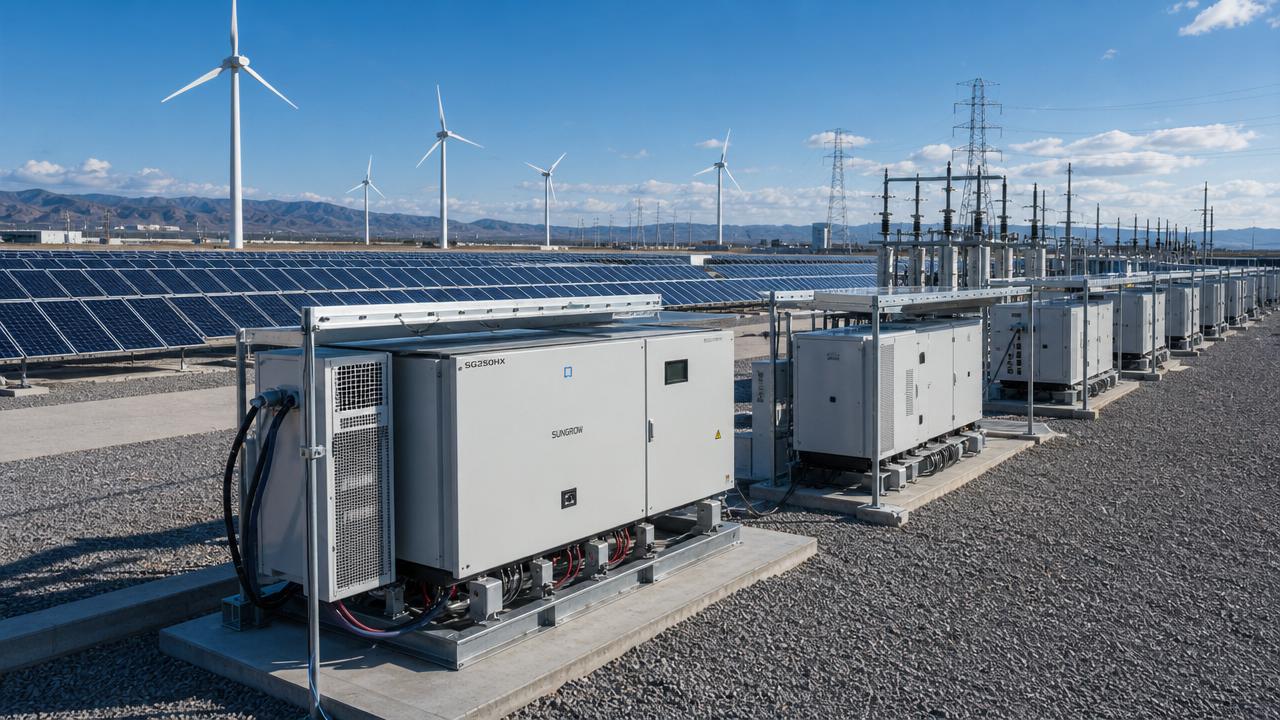
REGS tracks these shifts closely, especially where solar PV modules, mega-watt wind turbines, smart grid-integration systems, and support structures reshape project value beyond headline capacity.
Core Factors to Check Before Backing Any Renewable Energy Technology
Use the following points to evaluate whether a technology trend is investable, scalable, and operationally dependable in 2026.
- Verify whether conversion efficiency gains are proven in field conditions, not only in lab announcements or pilot installations with ideal operating parameters.
- Check if the renewable energy technology reduces LCOE through yield improvement, balance-of-system savings, lower downtime, or simpler maintenance over full asset life.
- Assess grid-forming, voltage support, and fault-ride-through capabilities, because future project revenue depends increasingly on grid stability performance.
- Review exposure to anti-dumping rules, carbon traceability, local content mandates, and certification barriers that can delay deployment or compress margins.
- Measure climate resilience against desert heat, salt corrosion, typhoon loads, blade flutter, dust accumulation, and offshore structural fatigue.
- Confirm whether digital controls, forecasting, and AI optimization can improve dispatchability, tracker accuracy, inverter behavior, and predictive maintenance outcomes.
- Compare bankability across suppliers, including warranty strength, service networks, replacement lead times, and evidence from utility-scale deployments.
- Examine whether manufacturing scale supports stable pricing and delivery, especially for N-type cells, large turbines, power electronics, and composite components.
Technology Trends Reshaping Renewable Energy Technology in 2026
1. N-type Solar PV Becomes the New Baseline
The transition from P-type to N-type is no longer experimental. TOPCon and HJT are pushing renewable energy technology toward higher efficiency and better temperature behavior.
In hot climates, these gains matter more than headline wattage. Energy yield under real irradiance and heat stress often determines financial performance better than nameplate capacity.
2. Offshore and High-Capacity Wind Continue to Scale Up
Wind turbines above 15MW are changing project design, logistics, and grid planning. Fewer units can deliver more energy, but foundations, blades, and installation strategies grow more complex.
This renewable energy technology trend favors firms that can manage composite blade reliability, tower transport, seabed engineering, and long-term maintenance in harsh environments.
3. Smart Inverters Move from Conversion Devices to Grid Assets
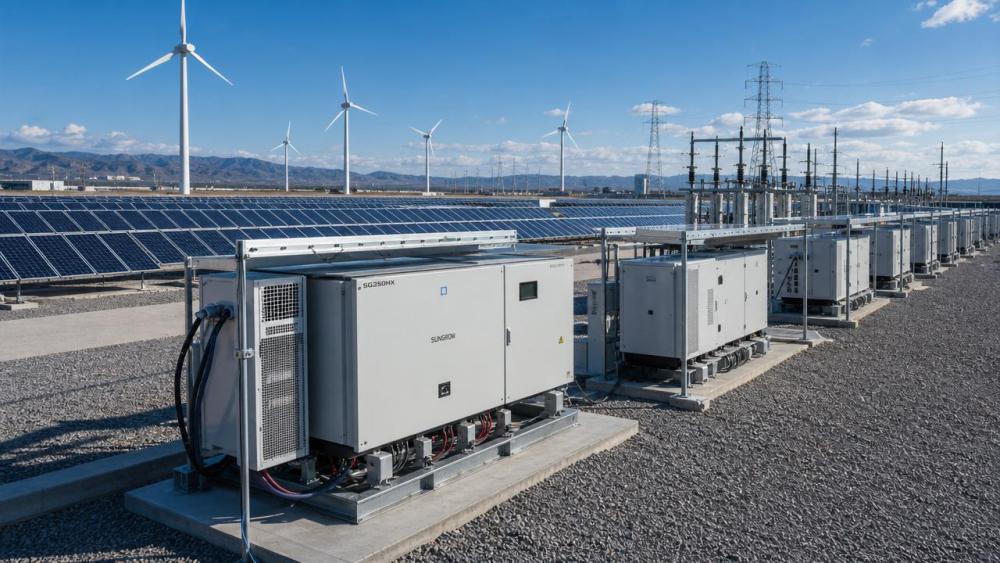
Modern inverters do more than convert DC to AC. They increasingly provide voltage regulation, reactive power, black-start support, and grid-forming functionality.
As renewable penetration rises, inverter quality becomes central to grid safety. That makes this segment one of the most strategic areas within renewable energy technology.
4. Solar Tracking Gains Become More Data-Driven
Trackers are delivering more value when paired with AI control, terrain-aware positioning, and weather adaptation. Output gains of 15% to 20% remain highly attractive.
However, mechanical robustness still matters. The best renewable energy technology combines software intelligence with strong steel structures and low-failure actuator systems.
5. Structural Engineering Becomes a Competitive Edge
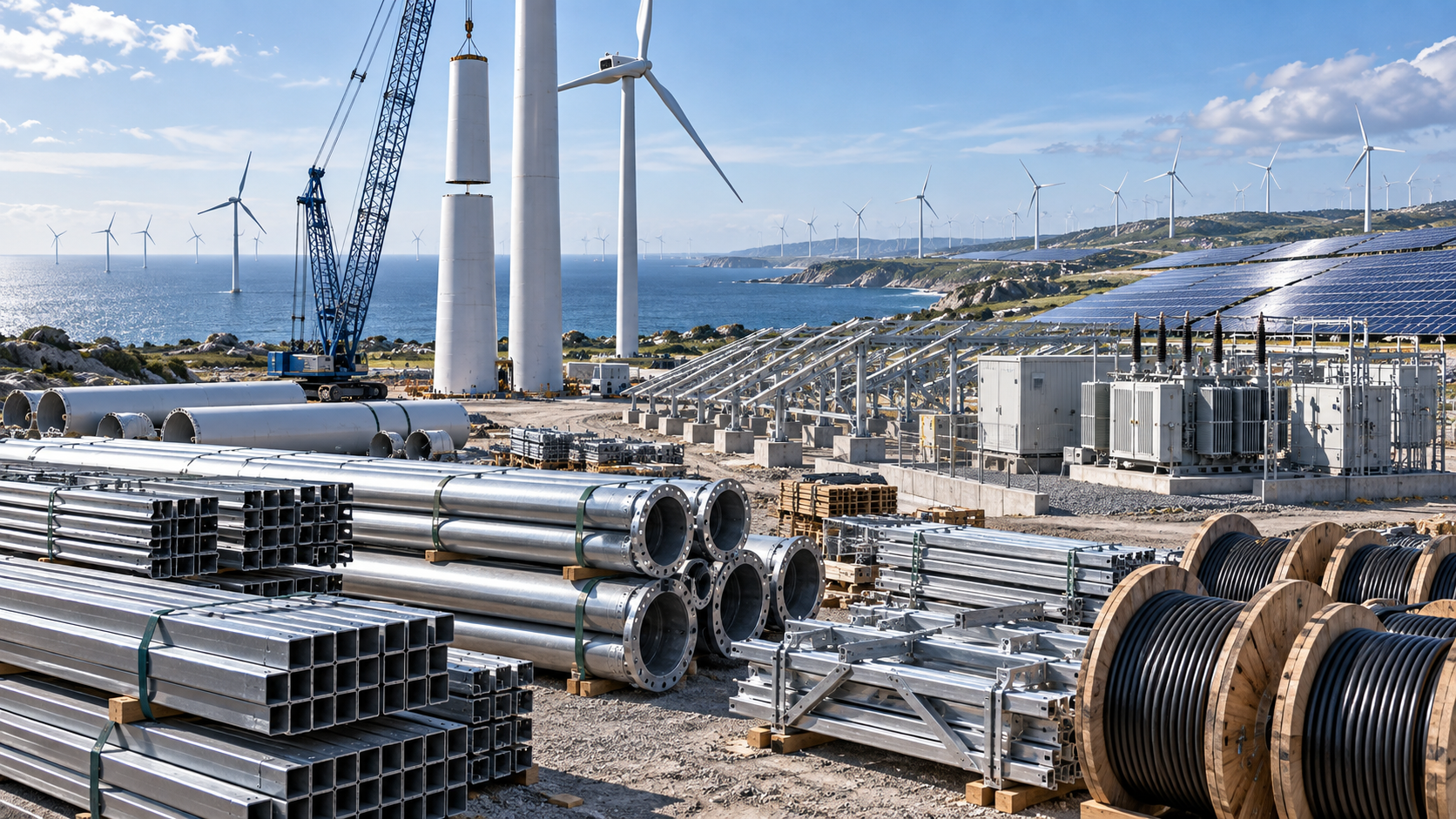
Mega-bases in deserts, coastal belts, and deep-water zones demand advanced towers, jackets, mounting systems, and corrosion-resistant materials.
In 2026, structural reliability will increasingly separate scalable renewable energy technology from concepts that look impressive but fail under long-duration stress.
How to Apply This Review in Different Project Environments
Utility-Scale Solar in Desert or High-Irradiance Regions
Focus on thermal derating, soiling losses, tracker durability, and inverter cooling performance. Desert conditions reward renewable energy technology that protects yield under heat and dust.
Module selection should emphasize temperature coefficient, degradation path, and cleaning strategy compatibility. Support structures must also withstand sand abrasion and rapid temperature cycling.
Offshore Wind and Coastal Industrial Corridors
Here, attention should shift toward blade length, corrosion resistance, foundation security, and service access. Larger machines amplify both returns and engineering consequences.
Renewable energy technology in these projects must be judged by survivability across storms, salt exposure, and lifetime maintenance windows, not just power rating.
Grid-Constrained or High-Renewables Power Systems
Projects in weak grids need stronger inverter intelligence, better forecasting integration, and more advanced dispatch support. Curtailment risk can erase gains from efficient generation assets.
In these markets, renewable energy technology should be screened for grid-forming capability, fast response behavior, and compliance with evolving interconnection codes.
Frequently Missed Issues That Can Distort Returns
Ignoring Real-World Performance Gaps
A promising specification sheet does not guarantee field output. Independent validation, weather-adjusted modeling, and degradation assumptions are essential before capital deployment.
Underestimating Compliance and Trade Friction
Tariffs, carbon accounting, and sourcing rules can change project economics quickly. Renewable energy technology strategies must align with market access and documentation readiness.
Treating Power Electronics as Commodity Components
Inverters and controllers increasingly define grid stability and uptime. Cost-led choices often create hidden exposure through weaker fault response or higher thermal failure rates.
Overlooking Structural Lifetime Costs
Mounting systems, towers, and foundations can influence maintenance and survivability for decades. This part of renewable energy technology deserves equal attention in early evaluation.
Practical Steps to Turn Insight into Better Decisions
- Build a technology scorecard that combines efficiency, grid support, compliance exposure, and lifecycle cost rather than relying on capacity metrics alone.
- Separate marketing claims from tested results by requesting independent certifications, field data, and operational benchmarks from comparable climates.
- Model sensitivity for curtailment, heat derating, maintenance intervals, and supply chain delays before approving any major renewable energy technology pathway.
- Prioritize partners with strong service capability and technical transparency across modules, turbines, inverters, trackers, blades, and support structures.
- Review strategic intelligence regularly, because policy changes and engineering breakthroughs can quickly alter bankability and competitive positioning.
Conclusion and Next Actions for 2026
The strongest 2026 opportunities will come from renewable energy technology that links higher conversion with stronger grid behavior, lower lifecycle cost, and proven resilience.
That means evaluating solar PV, wind turbines, smart inverters, trackers, and structural systems as one integrated value chain, not isolated equipment categories.
A disciplined review process helps identify which innovations are truly investment-grade. It also reduces exposure to performance gaps, compliance shocks, and hidden operating costs.
The next step is simple: audit current assumptions, update technology benchmarks, and compare every major option against 2026 requirements for yield, safety, and long-term competitiveness.
Recommended News

Industry Briefing
Get the top 5 industry headlines delivered to your inbox every morning.