Renewable Energy Technology Choices That Change Project Risk
Choosing the right renewable energy technology can reshape project risk faster than any financing model. Technology decisions affect CAPEX, grid compliance, insurance terms, energy yield, maintenance complexity, and long-term asset value.
In today’s zero-carbon market, project success depends on matching equipment choices to site reality. Solar modules, wind turbines, inverters, trackers, and structural systems must fit the operating environment, not just the budget sheet.
For intelligence-led platforms such as REGS, the real question is practical: which renewable energy technology choices reduce uncertainty, and which choices quietly increase lifetime risk?
Why technology selection changes risk in different project scenarios
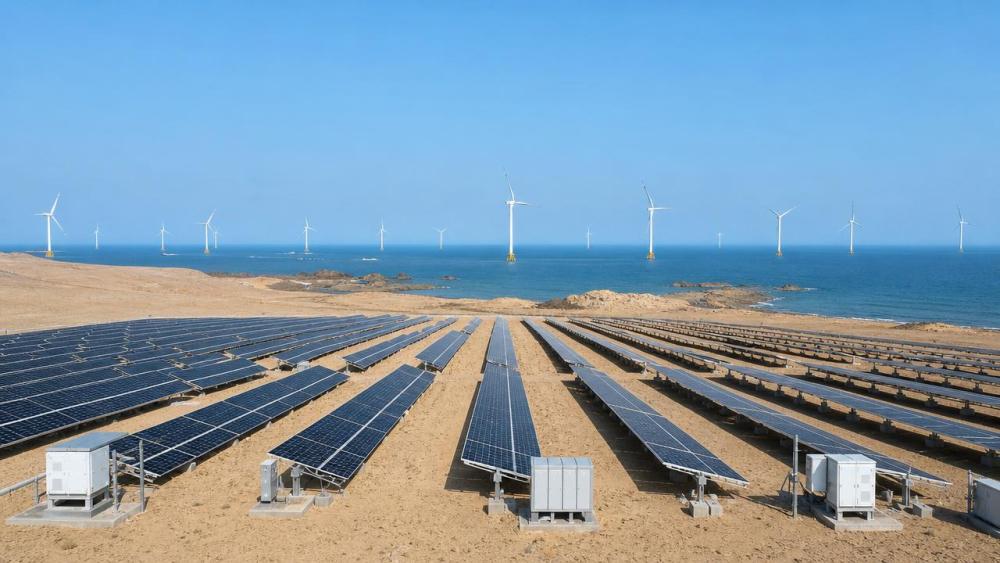
Not every project faces the same constraints. A desert solar base, an offshore wind farm, and a weak-grid industrial site require very different technical priorities.
The same renewable energy technology may perform well in one location and underperform in another. Risk rises when teams assume a single design logic fits every climate, regulation, and grid condition.
Scenario-based evaluation helps separate headline efficiency from bankable performance. It also clarifies when advanced technology creates value and when it adds complexity without enough return.
Scenario 1: Utility-scale solar in hot and dusty regions
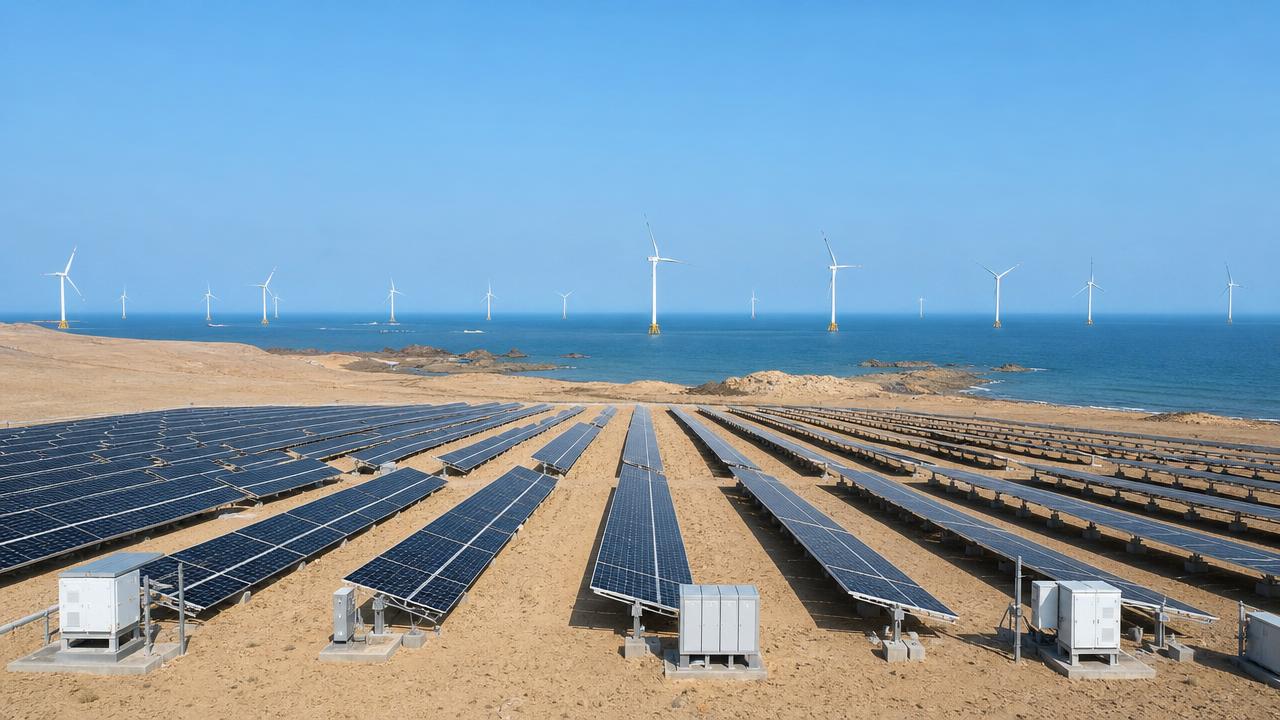
Large solar parks in deserts or semi-arid areas often prioritize module efficiency first. That is important, but heat behavior, soiling response, and tracker durability can matter even more.
N-type modules, including TOPCon or HJT, may deliver stronger temperature performance and lower degradation. Yet higher module output must be matched with inverter loading strategy and thermal management.
Trackers can increase yield by 15% to 20%, but only if bearings, drives, and control algorithms tolerate sand, wind events, and irregular cleaning cycles.
Core judgment points for this scenario
- Module efficiency must be reviewed alongside heat derating curves.
- Tracker gains should be tested against O&M burden and stow reliability.
- Inverter enclosure design matters in high ambient temperatures.
- Structural corrosion resistance matters even in dry regions with saline dust.
Scenario 2: Offshore and coastal wind projects with extreme weather exposure
In offshore wind, bigger turbines do not automatically mean lower risk. Capacity growth improves energy density, but larger blades, towers, and foundations can raise transport, installation, and fatigue exposure.
A 15MW or 20MW turbine may cut balance-of-plant intensity. However, blade flutter limits, drivetrain reliability, and typhoon survival margins become more critical than nameplate capacity alone.
Foundation design is a major risk driver. Jackets, monopiles, and transition pieces must match seabed conditions, wave loading, corrosion expectations, and maintenance access windows.
Core judgment points for this scenario
- Energy capture should be balanced with storm resilience.
- Blade materials must be assessed for lifetime fatigue, not only weight reduction.
- Tower and foundation choices shape insurance and downtime risk.
- Marine logistics can erase expected savings from turbine upscaling.
Scenario 3: Weak-grid and grid-constrained renewable integration
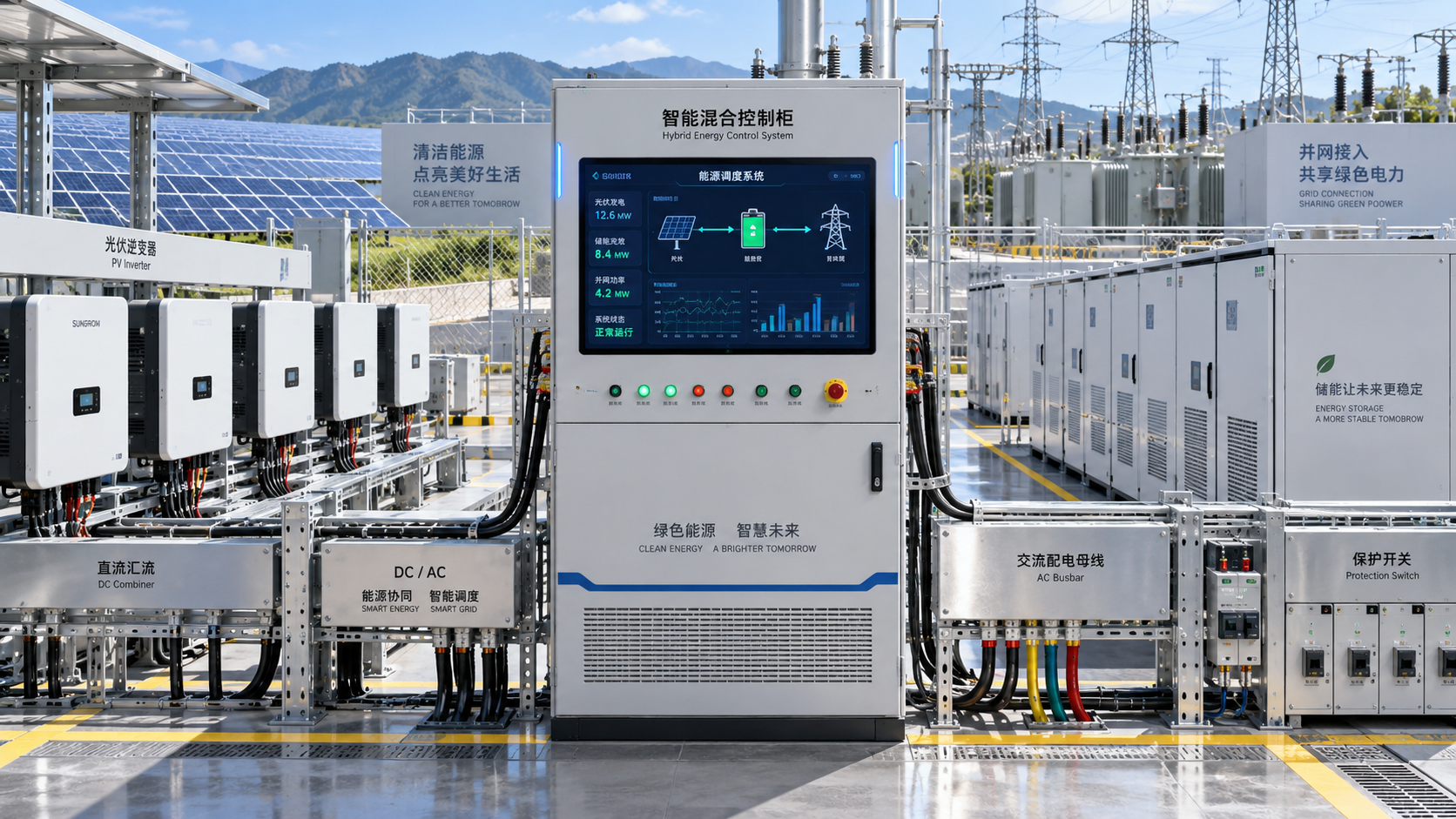
Many projects now succeed or fail at the interconnection stage. In these cases, the most important renewable energy technology may be the inverter and control architecture.
Modern smart inverters must do more than DC-AC conversion. They need grid-forming capability, fast voltage support, fault ride-through performance, and stable response under frequency events.
A high-efficiency generation asset can still become a weak investment if it triggers curtailment, fails compliance testing, or needs expensive retrofits for grid code updates.
Core judgment points for this scenario
- Grid-forming functions can reduce system instability risk.
- Controller compatibility with storage and EMS platforms matters.
- Compliance flexibility protects assets against evolving grid rules.
- Thermal stress on power electronics affects long-term availability.
Scenario 4: Remote inland mega-bases where logistics shape technology risk
Remote renewable bases often look attractive because land is available and resources are strong. Yet logistics can dominate the true risk profile.
Oversized components may lower theoretical LCOE but increase road constraints, crane dependency, spare parts delays, and commissioning uncertainty. In these regions, simplicity can outperform peak specification.
The best renewable energy technology choice here is often the one with proven field serviceability, robust tolerance to dust and temperature swings, and moderate dependence on specialized intervention.
How scenario needs differ across key renewable technologies
Practical recommendations for better technology fit
A disciplined review process can reduce hidden risk before procurement begins. The goal is not to choose the most advanced specification, but the most bankable one for the scenario.
- Map climate, grid, and logistics constraints before comparing vendors.
- Test renewable energy technology claims against lifetime operating conditions.
- Review energy yield together with failure modes and maintenance access.
- Model compliance risk, curtailment exposure, and upgrade requirements.
- Include tariffs, carbon traceability, and localization impacts in selection.
This approach aligns with REGS intelligence priorities. Technical performance, trade compliance, and commercial evaluation should be stitched together, not treated as separate decisions.
Common misjudgments that increase project risk
One common mistake is treating module efficiency as a full project strategy. Efficiency matters, but not if the inverter, structure, or cleaning regime undermines delivered output.
Another mistake is assuming larger wind turbines always reduce cost. In harsh marine environments, service vessel access, blade repair, and foundation complexity can reverse expected gains.
A third misjudgment is underestimating grid behavior. Projects often model generation risk carefully but leave grid-forming capability, harmonics, and fault response until late-stage engineering.
Finally, many teams ignore supply-chain and compliance exposure. Tariffs, ESG traceability, and local certification can materially change which renewable energy technology remains viable in target markets.
Next-step actions for lower-risk renewable decisions
Start with a scenario matrix. Define site climate, grid strength, transport limits, extreme weather exposure, and compliance obligations. Then compare technology options against those exact conditions.
Use independent technical intelligence to review thermal derating, aerodynamic limits, tracker durability, and lifecycle cost sensitivity. This is where real project risk becomes visible.
The strongest renewable energy technology strategy is not built on trend chasing. It is built on scenario fit, measurable resilience, and realistic long-term performance.
As global zero-carbon infrastructure expands, better technology choices will separate resilient assets from fragile ones. Smarter evaluation today leads to safer returns, stronger grid outcomes, and more durable project value tomorrow.
Recommended News
Industry Briefing
Get the top 5 industry headlines delivered to your inbox every morning.