How Solar Inverters Affect Downtime and Service Costs
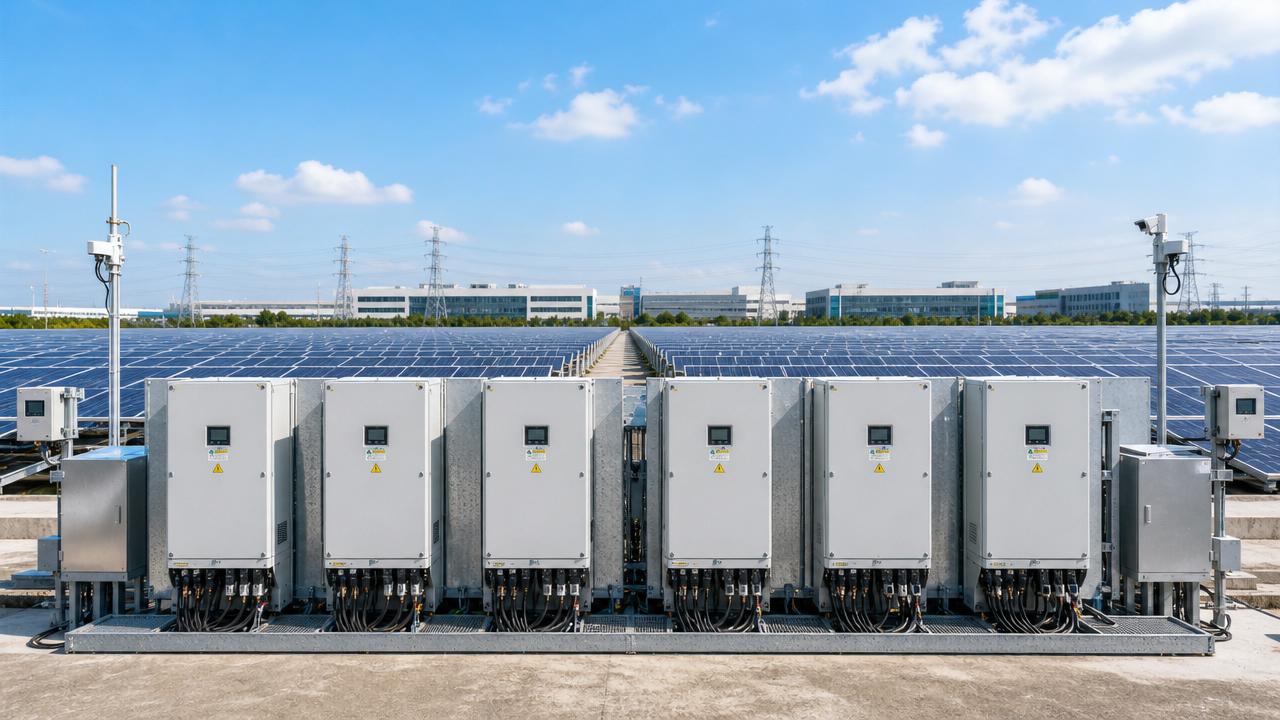
For operators, solar inverters do far more than convert DC to AC—they directly influence uptime, fault response, and long-term service budgets. When inverter performance weakens under heat, grid instability, or component stress, downtime can rise fast and maintenance costs follow. This article examines how solar inverters affect operational continuity and what users can do to reduce service risk while protecting system efficiency.
Why do solar inverters have such a strong impact on downtime?
Solar inverters sit at the control center of PV power delivery. If they stop, generation often stops immediately, even when panels remain healthy.
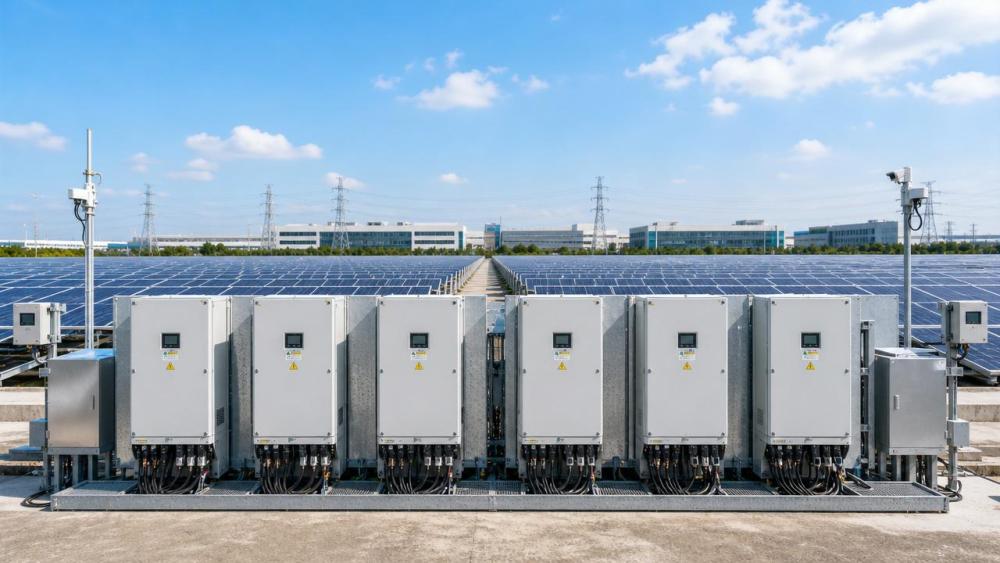
That is why solar inverters often shape plant availability more than many passive components. They are electrically active, software-driven, and exposed to real-time grid stress.
Downtime usually starts with one of three triggers: thermal overload, component aging, or grid disturbance. Each trigger can trip protection logic or reduce output.
In utility and commercial projects, the inverter also manages voltage behavior, fault ride-through, and communication with monitoring systems. Failure can affect both production and diagnostics.
Modern solar inverters contain IGBTs, capacitors, cooling systems, sensors, firmware, and communication boards. More intelligence improves control, but it also increases possible failure points.
This does not mean solar inverters are unreliable. It means their condition has a disproportionate effect on uptime, dispatch readiness, and maintenance planning.
Which inverter failures increase service costs the most?
Not every fault creates the same cost. Some issues only cut efficiency, while others require urgent field service, replacement parts, or extended production loss.
1. Cooling-related failures
Fans, heat sinks, and filters protect internal electronics. When airflow drops, junction temperatures rise and semiconductor stress accelerates.
This is common in dusty deserts, coastal salt environments, and high-temperature rooftops. Repeated overheating often shortens component life and increases unplanned visits.
2. DC and AC protection events
String faults, arc events, overvoltage, and unstable grid frequency can push solar inverters into protective shutdown. Restart delays then reduce energy yield.
Frequent nuisance trips are expensive because they create hidden losses. The unit appears available, yet production remains below target for long periods.
3. Capacitor and power module aging
Electrolytic capacitors and power semiconductors age under temperature cycling. As performance degrades, ripple control, switching stability, and fault tolerance can worsen.
These failures often generate higher repair bills because parts may require specialized labor, longer lead times, or complete module replacement.
4. Firmware and communication issues
Some downtime is not purely electrical. Solar inverters can lose reporting, remote access, or control coordination after firmware mismatch or communication board errors.
Service teams then spend more time isolating the cause. Troubleshooting hours add cost even before hardware replacement begins.
How do operating conditions change inverter reliability?
The same solar inverters can perform very differently across climates and grid environments. Reliability is never just a product issue; it is also a site issue.
Heat and thermal cycling
High ambient temperature reduces conversion stability and increases internal stress. Daily heating and cooling cycles slowly fatigue solder joints and power electronics.
Dust, humidity, and salt
Contamination blocks cooling paths and can damage sensitive boards. Corrosive air in coastal sites may shorten service intervals if sealing quality is inadequate.
Grid volatility
Weak grids, voltage swings, and frequency deviations place extra demands on solar inverters. Grid-forming or grid-support functions become more important in these conditions.
Oversizing and design mismatch
Aggressive DC/AC ratio choices can improve economics, but excessive stress raises clipping, heat load, and wear. Design discipline helps contain future service costs.
In large renewable portfolios, REGS continuously observes that environmental fit matters as much as headline efficiency. Solar inverters must match both resource intensity and grid behavior.
What should be checked before choosing solar inverters for lower lifetime cost?
Upfront price alone rarely predicts real operating expense. A better approach is to compare solar inverters through the lens of total lifecycle risk.
- Thermal derating behavior at high ambient temperatures
- Ingress protection and corrosion resistance for local conditions
- Fanless versus forced-air cooling trade-offs
- Grid support, ride-through, and grid-forming capability
- Remote diagnostics, alarm accuracy, and firmware support
- Spare parts availability and regional service response time
- Warranty terms tied to labor, replacement, and shipping
Selection should also consider architecture. Central, string, and hybrid solar inverters distribute failure risk differently across a plant.
How can operators reduce downtime and maintenance expenses in practice?
The most effective strategy is not reactive repair. It is early detection paired with maintenance routines tailored to site stress conditions.
Build preventive checks around thermal health
Track temperature alarms, fan behavior, and derating frequency. Rising thermal incidents often appear before major inverter shutdowns.
Use monitoring data to rank risk
Compare solar inverters by fault repetition, restart success, and output deviation. Units with recurring minor alarms may become the next major outage.
Protect the surrounding balance of system
Loose connectors, poor cable routing, dirty vents, and unstable combiner performance can all trigger inverter faults. Service cost control requires whole-system discipline.
Plan spare parts before failures happen
Critical boards, fans, and communication modules should be stocked according to fleet size and failure history. Waiting for parts usually extends downtime more than repair itself.
Review firmware carefully
Software updates can improve solar inverters, but uncontrolled updates may introduce new instability. Test protocol and rollback planning are essential.
What are the most common misconceptions about solar inverters and service risk?
Several assumptions lead to avoidable expense. Clearing them early supports better investment and maintenance decisions.
“Higher efficiency always means lower service cost.”
Efficiency matters, but durability under real site conditions matters just as much. A slightly lower efficiency unit may deliver better availability over time.
“All inverter alarms are urgent failures.”
Some alarms are informational, while others indicate progressive degradation. Good monitoring helps separate nuisance events from high-cost risks.
“Warranty coverage removes downtime risk.”
Warranty may cover parts, but lost production, travel delays, and restart complexity can still create major cost exposure.
“Solar inverters can be assessed without grid context.”
In weak or evolving grids, ride-through and stability functions become central. A unit that performs well in one network may struggle in another.
Quick FAQ: how should service decisions be prioritized?
Solar inverters strongly shape energy availability, repair frequency, and lifecycle cost. Their influence extends beyond conversion efficiency into thermal resilience, grid interaction, and service logistics.
A practical next step is to review fault records, thermal alarms, and spare-part readiness across the current fleet. Then compare those findings against site climate and grid conditions.
For long-term renewable performance, the best solar inverters are not only efficient. They are also stable, diagnosable, and aligned with real operating stress.
Recommended News
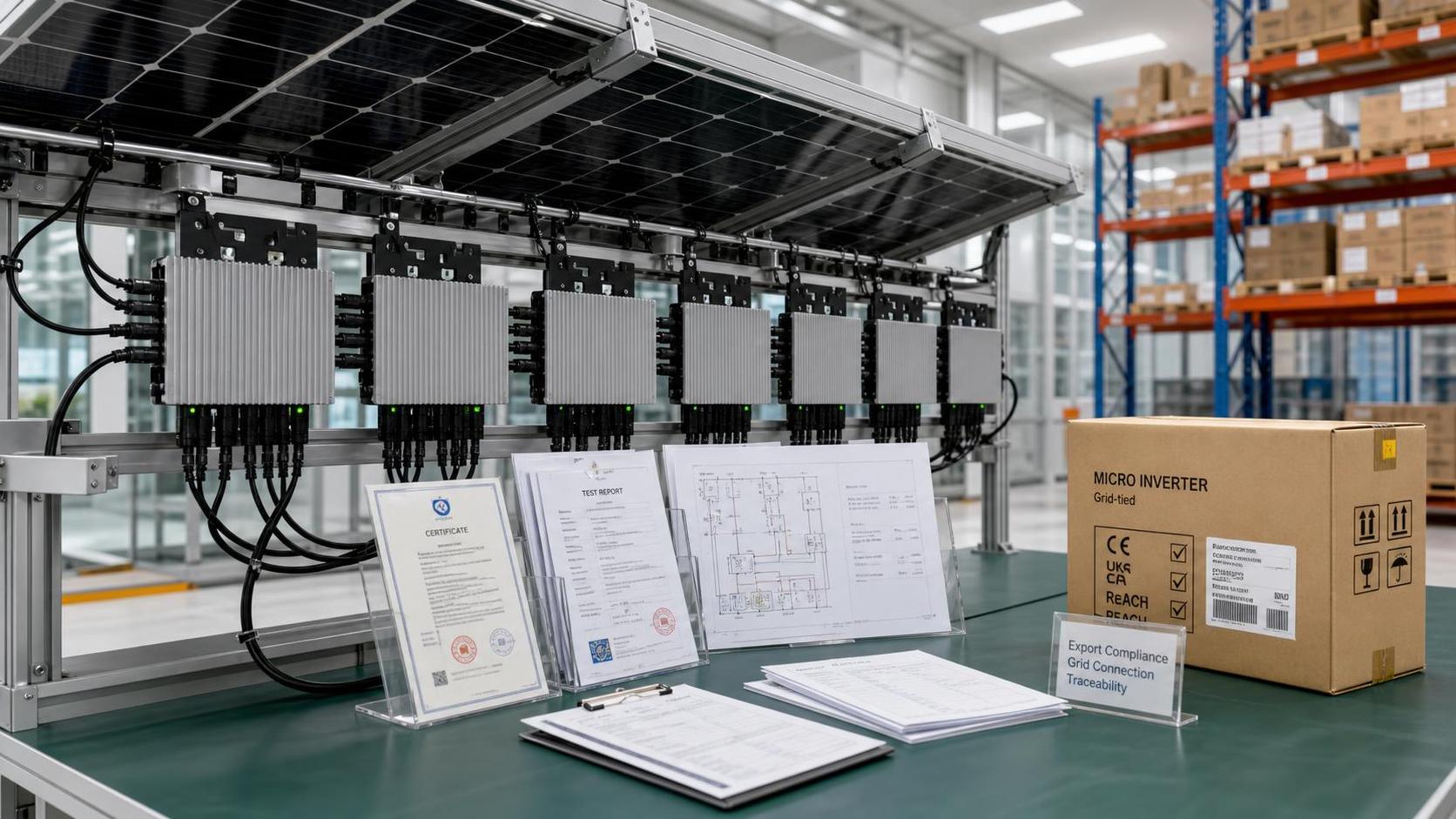
 How to Evaluate a Microinverters Exporter for Certifications and Grid ComplianceTime : Aug 09, 2026
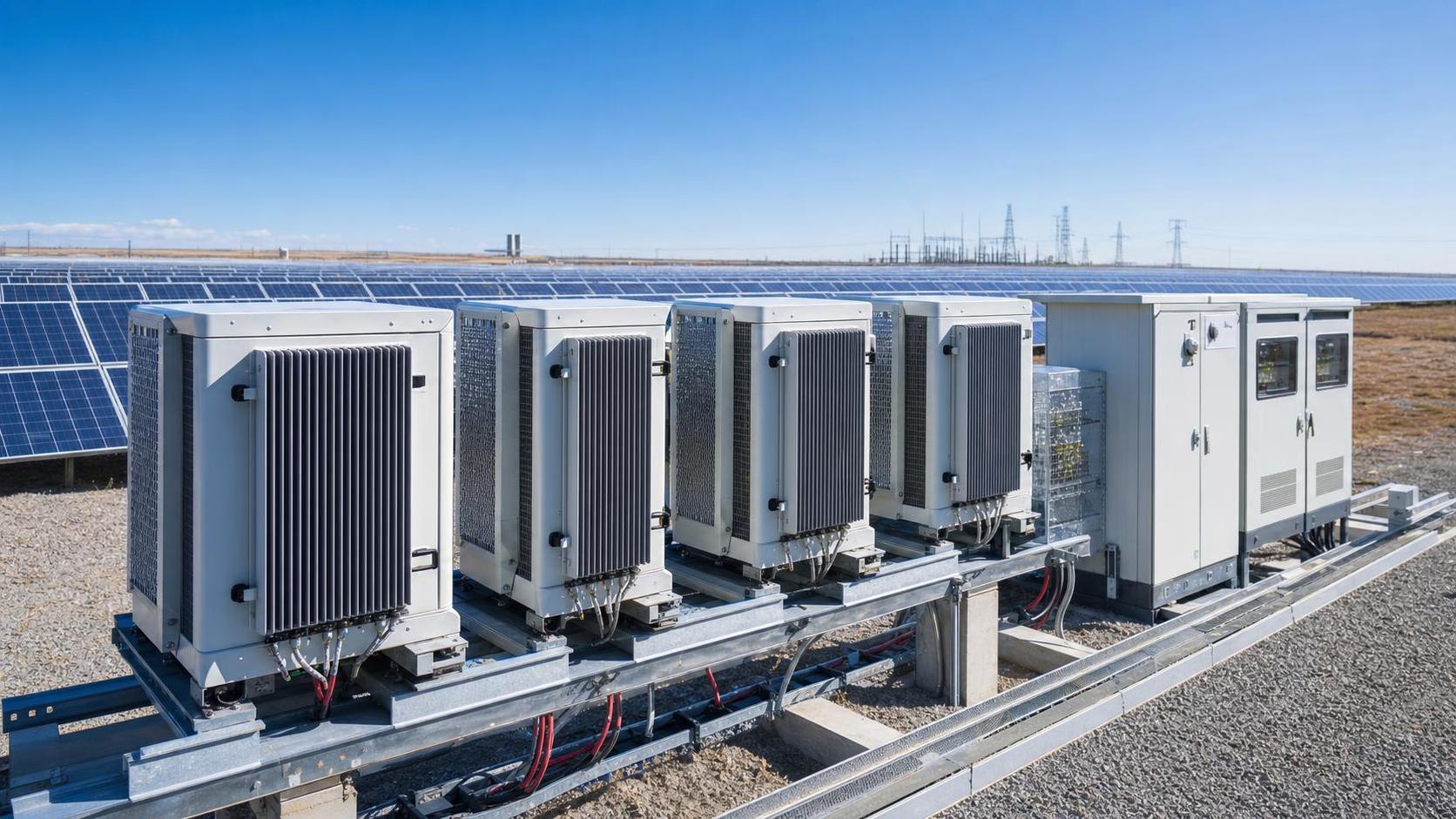
- How to Evaluate a String Inverters Manufacturer for Grid Compliance and Long-Term ReliabilityTime : Aug 02, 2026
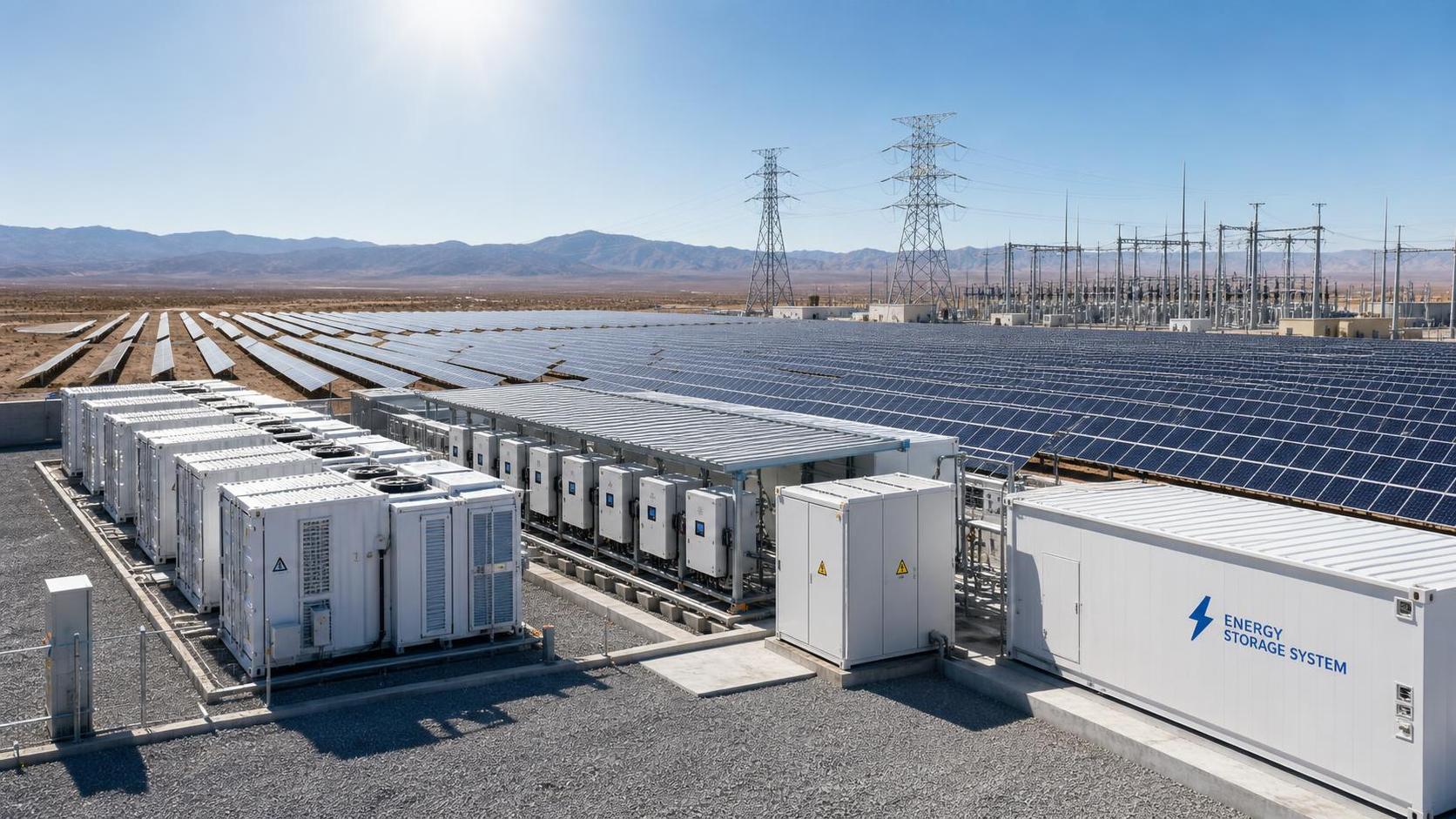
- Smart Inverter Systems: Key Features, Limits, and Best-Fit ApplicationsTime : Jul 25, 2026
Industry Briefing
Get the top 5 industry headlines delivered to your inbox every morning.