
DOE Tightens AI Backtracking Certification Rules
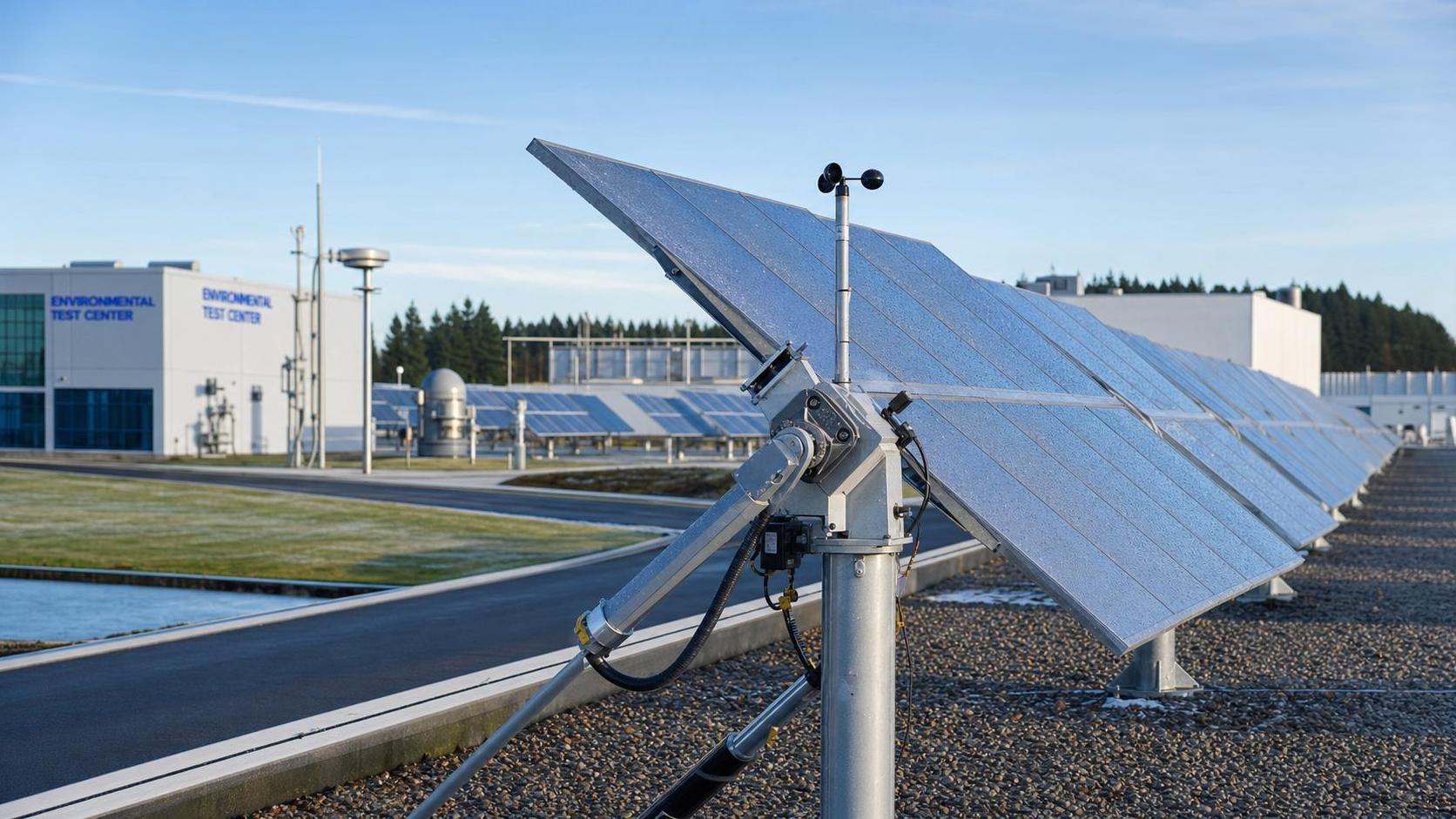
On July 8, 2026, the U.S. Department of Energy (DOE) revised its performance certification guidance for intelligent solar tracking systems, adding a mandatory coupled durability test for dust storm and sudden cooling conditions to AI Backtracking certification for single-axis trackers. The update applies to all new certification submissions from Q3 2026, making it immediately relevant to tracker manufacturers, exporters, testing teams, certification applicants, and buyers that depend on compliance timing and technical documentation.
What the revised requirement now includes
According to the provided event information, DOE updated the Performance Certification Guidelines for Intelligent Solar Tracking Systems on July 8, 2026. Under the revision, all single-axis trackers applying for AI Backtracking certification must pass a coupled environmental durability test covering dust storm and sudden cooling conditions.
The new test requirement is tied to Appendix D newly added in ISO 20623:2026 Ed.2. The rule applies to all new certification applications submitted from Q3 2026 onward. The provided information also indicates that Chinese export manufacturers need to upgrade their environmental testing capabilities in parallel with the new requirement.
Where the impact is likely to appear first
Certification and compliance workflows
From an industry perspective, certification teams and compliance managers are likely to feel the impact first because the new test is now a gatekeeping condition for AI Backtracking applications on single-axis trackers. The main pressure point is application readiness: products that were prepared under earlier assumptions may now need additional test evidence before filing.
Manufacturing and export execution
Analysis shows that manufacturers and export-oriented suppliers may be affected at the interface between product validation and market access. For companies shipping into projects or customers that require AI Backtracking certification, the issue is not only product design but also whether internal or external testing arrangements can support the revised standard in time for Q3 2026 submissions.
Procurement and buyer-side scheduling
Buyers, project procurement teams, and channel participants should pay attention to certification timing and document completeness. Observably, once a new mandatory test is added, procurement review may place more weight on whether a supplier can demonstrate readiness under the updated guidance, especially for upcoming submissions after the Q3 2026 transition point.
Testing and supporting service providers
Service providers involved in environmental testing, certification preparation, and technical file support may see immediate operational implications. What deserves closer attention is whether existing test capacity, procedures, and reporting formats align with the newly required coupled test condition referenced in the updated guidance.
What companies should watch now
Track the exact scope of new applications
Companies should focus closely on how the revised rule applies to new submissions from Q3 2026. In practical terms, the key distinction is between a policy signal and an active filing requirement: the provided information already makes clear that new applications fall under the updated rule, so submission schedules and product pipelines need to be checked against that timing.
Review testing capability against the new condition
For manufacturers, especially Chinese exporters identified in the provided information, the immediate operational issue is environmental testing capability. The relevant question is whether current internal resources or external partners can support the dust storm and sudden cooling coupled test required for AI Backtracking certification.
Recheck documents used in customer communication
Sales, certification, and delivery teams should revisit the materials they use with customers, including statements around certification progress, expected submission timing, and technical readiness. This is particularly important where commercial commitments depend on certification status rather than only on product shipment readiness.
Prepare for longer coordination across teams
Analysis shows that even a narrowly defined testing change can expand coordination needs across engineering, compliance, export, and customer-facing functions. Companies should therefore watch for knock-on effects in document preparation, third-party scheduling, and customer communication before treating the requirement as a routine standards update.
Why this looks like more than a routine test revision
This section is an observation rather than a confirmed fact. Observably, the update is significant because it links AI Backtracking certification to a more demanding environmental durability scenario instead of leaving the issue at the level of general system performance. That does not by itself prove a broad market shift, but it does suggest that certification expectations are becoming more specific in how environmental resilience is assessed.
It is more appropriate to understand this as a concrete near-term compliance change with a possible longer-term signaling effect. The immediate result is clear for new applications from Q3 2026. The broader meaning for product qualification practices, supplier positioning, and buyer review standards still requires continued observation.
How the industry should read this update for now
At this stage, the DOE revision should be read primarily as an actionable certification rule change rather than as a complete reshaping of the tracker market. The confirmed facts already affect filing preparation, testing readiness, and export execution for relevant suppliers. At the same time, the wider commercial and technical consequences should be assessed cautiously until more implementation detail and market response become visible.
Basis of this article and what still needs verification
This article is based on the user-provided news title, event date, and event summary. For this type of industry development, commonly relevant source categories may include official agency announcements, company disclosures, industry association updates, authoritative media coverage, and standard organization documents.
No specific official source link was provided in the input, so the exact official publication path still needs continued verification. Follow-up attention should remain on any further DOE wording, related standard documentation for ISO 20623:2026 Ed.2 Appendix D, and any implementation clarifications that affect certification practice from Q3 2026 onward.
Recommended News



Industry Briefing
Get the top 5 industry headlines delivered to your inbox every morning.