Solar Energy Efficiency Gains Are Slowing in Hot Weather
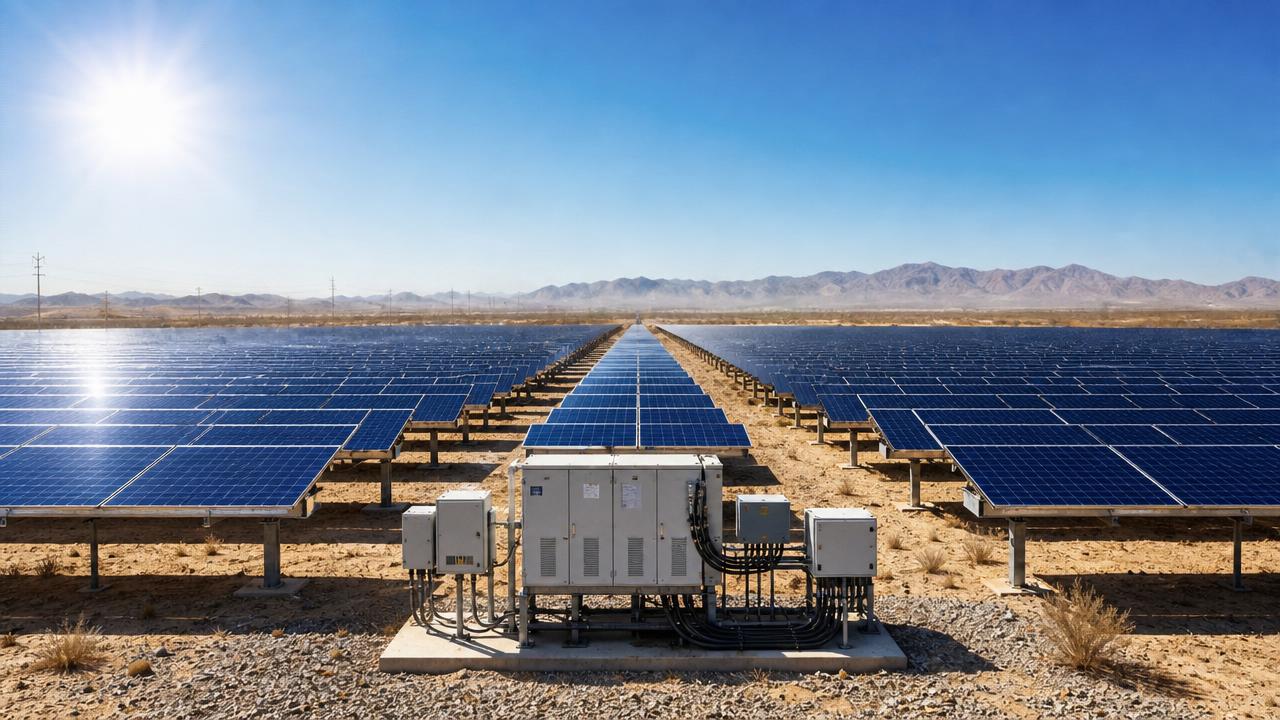
As heatwaves intensify across major solar markets, solar energy efficiency is becoming harder to improve under real-world operating conditions. For technical evaluators, this shift raises urgent questions about module derating, inverter thermal stress, tracking optimization, and system-level yield resilience. Understanding why efficiency gains slow in hot weather is essential for making smarter procurement, design, and grid-integration decisions.
For most technical evaluators, the key takeaway is clear: hot weather does not stop solar generation, but it compresses the practical gains expected from each new efficiency upgrade.
The core search intent behind this topic is not basic curiosity about photovoltaics. It is a decision-oriented need to understand why nameplate efficiency improvements translate less effectively into field performance under heat stress.
Readers in this audience usually care about three things most: how temperature changes module output, how thermal stress affects inverter and balance-of-system reliability, and which design choices preserve annual yield.
What helps them most is not a generic overview of solar technology. They need evaluative criteria, derating logic, procurement checkpoints, and system-level interpretation that links equipment specifications to bankable performance.
That means this article should focus on thermal derating, technology selection, tracking and mounting tradeoffs, inverter behavior, and practical evaluation metrics. Broad renewable-energy slogans and elementary PV definitions deserve less space.
Why solar energy efficiency gains slow down in hot weather
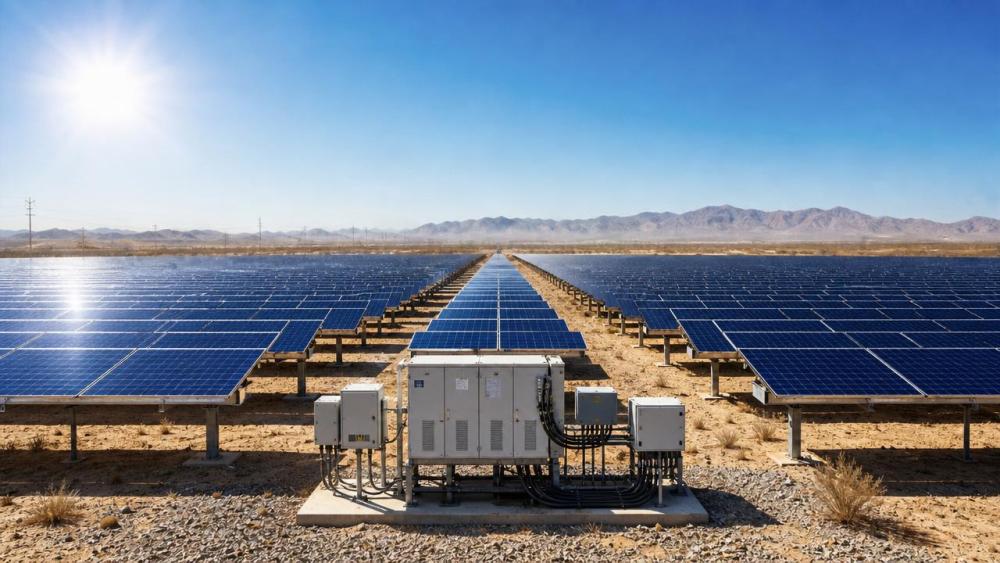
On paper, solar modules keep improving. Cell architectures such as TOPCon and HJT push conversion efficiency upward, and manufacturers continue to publish stronger peak-watt ratings and better bifacial performance.
Yet field conditions impose a harder reality. As ambient temperature rises, cell temperature rises even faster, often well above the nominal conditions under which module efficiency is advertised and compared.
That matters because photovoltaic cells lose voltage as temperature increases. Even when irradiance remains high, elevated cell temperature reduces conversion effectiveness, lowering actual output relative to laboratory expectations.
In other words, solar energy efficiency is not only about capturing more sunlight. It is also about limiting how much usable conversion performance is lost when heat accumulates across modules, racks, cables, and power electronics.
For technical evaluators, the slowdown in efficiency gains comes from a widening gap between STC-based progress and operating-temperature reality. A higher-efficiency module may still underperform expectations if its thermal behavior is not equally strong.
This is especially visible in desert, subtropical, and heatwave-prone utility markets. There, midday production may plateau or soften despite intense sunlight, because thermal losses offset part of the irradiance advantage.
Temperature coefficients matter more than headline module efficiency
When comparing modules for hot climates, evaluators should look beyond front-page efficiency percentages. The temperature coefficient of power is often more decisive for annual yield than a small difference in nameplate conversion efficiency.
A module with slightly lower laboratory efficiency but better thermal stability can deliver stronger real-world energy output over the year. This is particularly relevant in projects exposed to long periods of high irradiance and weak convective cooling.
For example, if two modules differ by less than one percentage point in nominal efficiency, but one has a meaningfully better temperature coefficient, the hotter site may favor the thermally stronger option.
This is why technology selection has become more nuanced. N-type products are often promoted for stronger bifaciality and improved degradation behavior, but evaluators still need model-specific thermal data rather than category-level assumptions.
Datasheets should be checked for power temperature coefficient, NMOT behavior, rear-side gain assumptions, and certification conditions. A module that performs well in mild climates may not preserve the same advantage in extreme summer operation.
Procurement teams should also ask how the supplier validated performance under sustained heat, not just under flash-test conditions. Independent field data, third-party testing, and regional operating references deserve strong weighting.
Heat affects more than modules: inverter stress and system clipping can erase gains
Many discussions of solar energy efficiency stop at the panel. That is a mistake. In hot weather, inverters also face thermal stress that can reduce conversion efficiency, trigger derating, and shorten component life.
Power semiconductors, especially IGBT or other switching devices, are sensitive to elevated operating temperatures. If enclosure cooling, ventilation, or internal thermal management is inadequate, the inverter may intentionally reduce output to protect itself.
This creates a layered loss mechanism. First, the module produces less because of heat. Then the inverter may process that reduced DC power less efficiently or even cap throughput under extreme internal temperature conditions.
Technical evaluators should therefore review inverter thermal derating curves, maximum operating temperature thresholds, enclosure design, cooling architecture, and site-specific maintenance assumptions, especially in dusty or high-soiling regions.
DC/AC ratio decisions also deserve attention. A ratio that looks financially attractive in moderate climates may cause more frequent clipping or thermal stress under hot, high-irradiance conditions if the inverter operating window is poorly matched.
Grid integration adds another layer. In areas with voltage instability or reactive power demands, inverters must deliver more than conversion efficiency. Grid-support functionality under thermal stress is increasingly important for resilient plant performance.
Tracking systems can recover yield, but only if thermal and mechanical realities are included
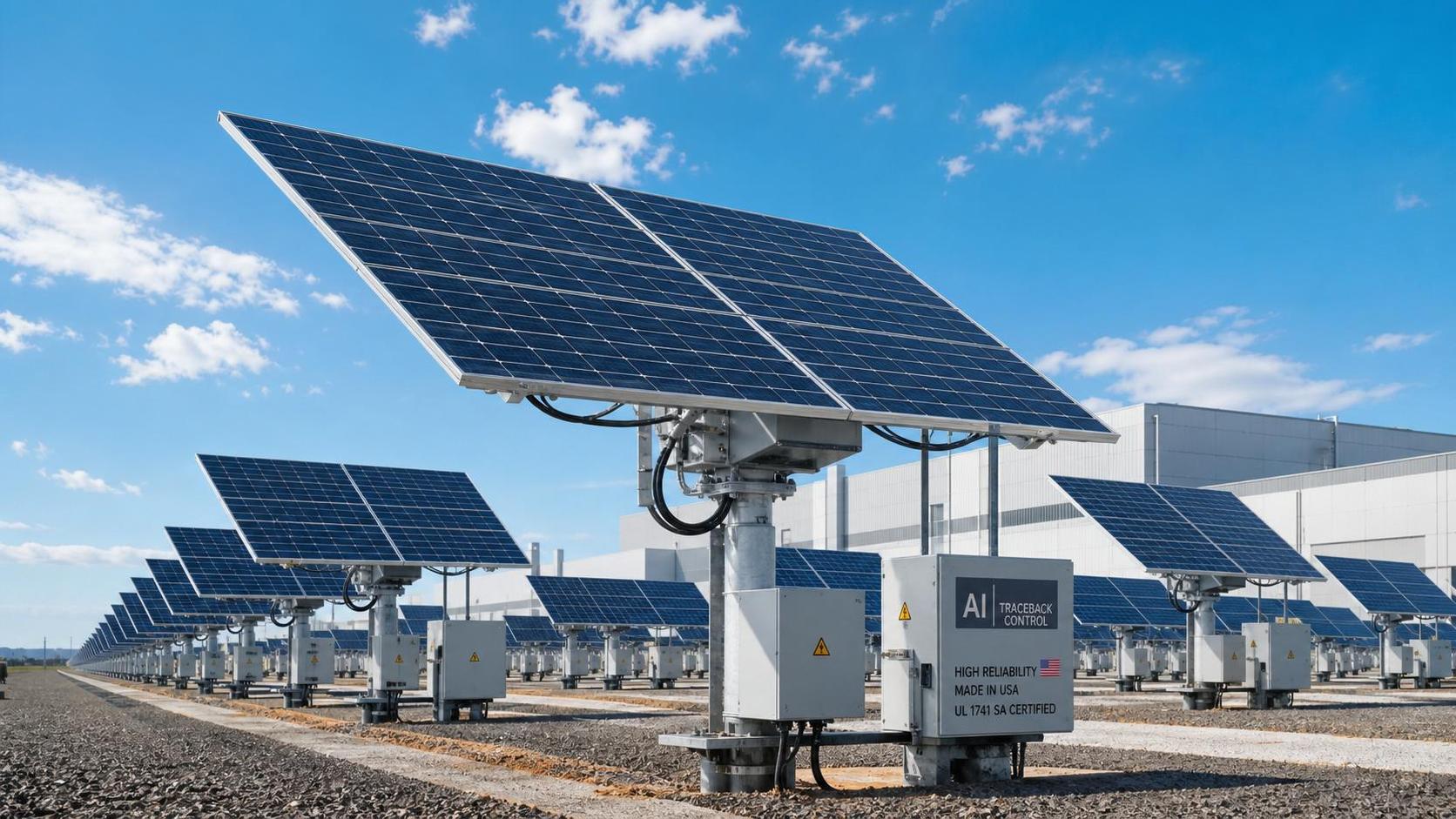
Solar trackers are often presented as a straightforward way to raise output. In many markets, they do add substantial energy yield by improving the angle of incidence throughout the day.
However, in hot climates, the value of tracking should be evaluated in a more integrated way. Additional irradiance capture can raise energy harvest, but it can also increase thermal loading on modules and associated electrical equipment.
That does not mean tracking loses value. It means the assessment must go beyond simple gain percentages. Evaluators should compare net yield after thermal derating, backtracking behavior, row spacing, wind stow strategy, and site albedo conditions.
Mounting geometry and airflow are also critical. Better rear-side ventilation can help reduce module operating temperature, partially offsetting the thermal penalties of strong sun exposure and preserving more effective conversion performance.
In bifacial systems, tracker height, ground reflectivity, and row design interact with heat behavior and yield profile. The best solution is not always the one with the highest simulated irradiance capture in isolation.
For technical teams, the real question is whether the tracker-module-inverter combination improves annual delivered energy per unit of risk, not merely whether the tracker increases gross sunlight collection.
Why hot-weather evaluation must focus on energy yield, not just peak efficiency
Peak efficiency is still useful, but it is no longer sufficient as a lead decision metric in heat-stressed markets. Technical evaluators need to prioritize energy yield under realistic operating hours, especially during the hottest production windows.
This requires a shift from component-centered comparison to system-centered assessment. Module efficiency, temperature coefficient, inverter derating, tracker control logic, cable losses, and maintenance intervals all influence delivered electricity.
A module that leads in STC efficiency may not lead in LCOE performance if high operating temperatures compress its advantage. The same applies when inverter downtime or cleaning burdens reduce actual energy export.
As a result, procurement reviews should rely on scenario-based performance models. These should include hourly temperature profiles, wind speed, irradiance distribution, clipping behavior, soiling accumulation, and grid curtailment probabilities where relevant.
Evaluators should also ask whether the EPC or supplier model uses measured cell temperature assumptions that reflect site reality. Overly optimistic thermal assumptions can distort bankability, warranty expectations, and long-term production forecasts.
In hot-weather projects, resilience often matters as much as top-end efficiency. A slightly less aggressive design that sustains stable output across severe summer conditions may create stronger long-term value than a theoretically superior but thermally fragile setup.
What technical evaluators should check before approving equipment or project designs
First, compare module options using temperature coefficient, NMOT-related expectations, degradation profile, and independent field evidence from similar climates. Do not rank candidates by nameplate efficiency alone.
Second, examine inverter thermal derating documents carefully. Request clear performance curves, enclosure heat-management details, and examples of operation under prolonged ambient temperatures typical of the target region.
Third, validate mounting and tracker designs for airflow, maintenance access, and real thermal behavior. Mechanical design affects not only structural durability, but also operating temperature and therefore energy conversion quality.
Fourth, review the DC/AC ratio in the context of high-temperature production shapes. The best ratio depends on thermal output suppression, inverter efficiency windows, and whether the project values annual yield or peak export alignment.
Fifth, require simulation outputs that separate irradiance gain from temperature loss. This distinction helps decision-makers understand whether projected performance improvements come from true system optimization or optimistic assumptions.
Sixth, stress-test the project economically. If a higher-efficiency component carries a premium, determine whether the extra yield survives under real hot-weather operation strongly enough to justify the additional capital cost.
How the market is changing as heat becomes a design constraint
Heat is no longer an edge-case engineering issue. In many major solar markets, it is becoming a baseline design condition, changing how buyers evaluate technology claims and project performance guarantees.
This is pushing manufacturers to compete not only on conversion efficiency, but also on thermal robustness, lower degradation, smarter cooling, and more credible field-performance validation.
It is also increasing the strategic value of integrated system intelligence. The strongest projects are not necessarily those with the highest-rated components individually, but those with better coordination between modules, inverters, trackers, and grid-support controls.
For industry observers such as REGS, this trend reinforces a broader conclusion: the next phase of solar competitiveness depends less on isolated laboratory breakthroughs and more on preserving performance under real operational stress.
That is where technical evaluators hold major influence. Their procurement criteria, simulation discipline, and reliability thresholds determine whether projects chase headline metrics or build durable value in a warming climate.
Conclusion: efficiency gains are slowing, but better evaluation can protect project value
Solar energy efficiency is still improving, but hot weather makes those gains harder to realize in practice. The main reason is simple: higher temperatures reduce module performance and can also strain inverters and system architecture.
For technical evaluators, the right response is not skepticism toward solar, but sharper discipline in how performance is judged. Temperature coefficient, inverter derating, airflow design, tracking strategy, and yield modeling should all move higher on the checklist.
The most useful decision framework is to evaluate real delivered energy under heat, rather than peak efficiency under ideal test conditions. That shift leads to better procurement choices, stronger grid integration, and more resilient long-term returns.
In the years ahead, winners in hot-weather solar markets will be the teams that treat thermal performance as central to design quality. Efficiency still matters, but heat resilience increasingly determines whether that efficiency becomes bankable electricity.
Recommended News
Industry Briefing
Get the top 5 industry headlines delivered to your inbox every morning.