
Japan Opens Steel Probe Pressuring Wind Exports
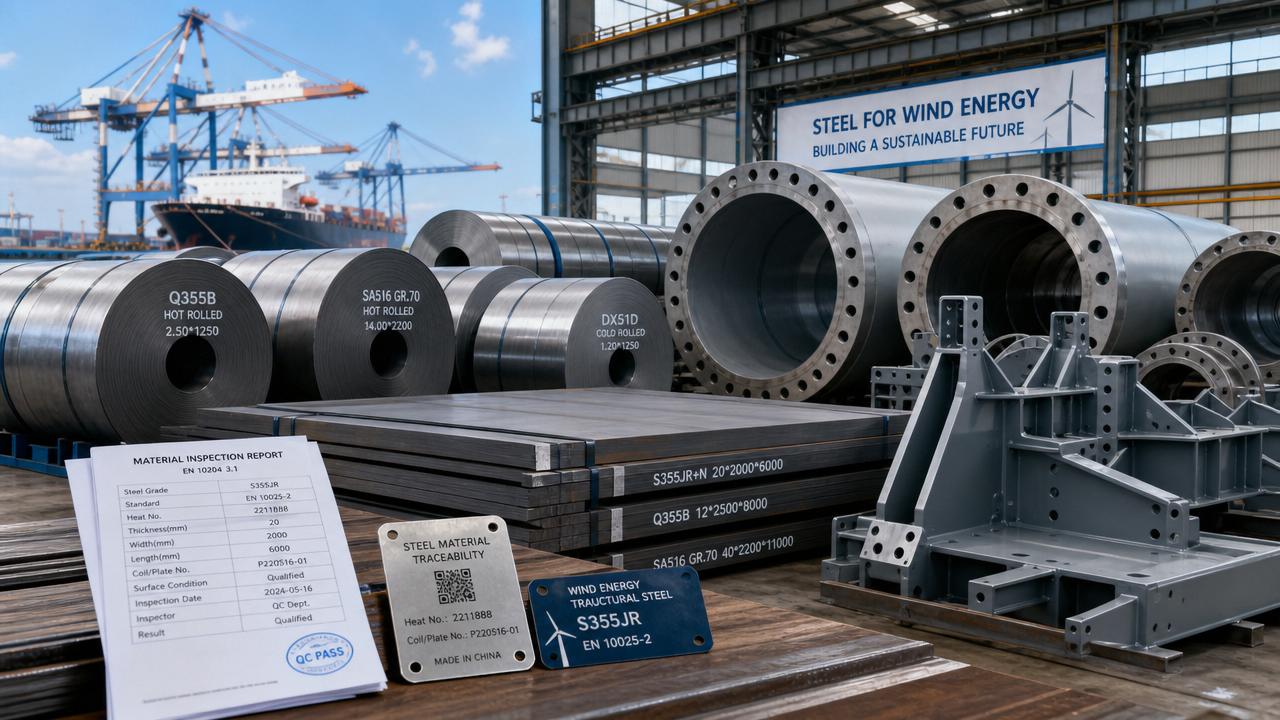
On June 1, 2026, Japan’s Ministry of Finance opened an anti-dumping investigation covering cold-rolled and hot-rolled iron or non-alloy steel strip and plate from mainland China after applications from four Japanese steelmakers including Nippon Steel. Because the listed tariff coverage includes key steel inputs used in single-axis tracker supports, tower flanges, and foundation structures, the development matters not only to direct steel trade but also to overseas OEMs, procurement teams, and project delivery arrangements linked to wind and related structural exports. It also deserves attention because the case may extend beyond pricing risk into closer customer scrutiny of carbon-footprint claims and origin traceability across the supply chain.
What has been formally initiated
The confirmed event is the launch of an anti-dumping investigation by Japan’s Ministry of Finance on June 1, 2026, concerning cold-rolled and hot-rolled iron or non-alloy steel strip and plate originating in mainland China. The case was initiated in response to applications submitted by four Japanese steel producers, including Nippon Steel. The covered tariff scope includes steel materials used in wind single-axis tracker brackets, tower flanges, and key foundation structural applications. The provided event summary also states that the investigation may affect delivery stability for overseas OEM manufacturers using Chinese steel inputs and may trigger a new round of downstream customer reviews focused on supply-chain carbon footprint and origin traceability.
Why the pressure may spread beyond direct steel shipments
Procurement risk is no longer limited to the steel buyer
From an industry perspective, companies that buy the affected steel products directly are not the only parties that may feel the impact. Manufacturers of tower components, tracker structures, and other steel-intensive assemblies may face pressure if their input materials fall within the investigated scope. The practical concern is that procurement planning, contract execution, and delivery timing could all come under review where Chinese-origin steel is embedded in exported structural products.
Overseas OEM delivery arrangements may come under closer review
Analysis shows that overseas OEMs using Chinese steel inputs may need to reassess delivery stability rather than treat the matter as a narrow customs issue. If customers become more cautious during the investigation period, documentation tied to material sourcing, origin declarations, and product configuration may receive more attention in order confirmation, vendor approval, and shipment scheduling.
Downstream customers may widen traceability expectations
What deserves closer attention is the possibility of a broader compliance spillover. The event summary indicates that downstream end customers may start a new round of checks on supply-chain carbon footprint and origin traceability. For exporters and fabricators, this could affect not only commercial discussions but also the supporting files expected in tenders, technical submissions, supplier onboarding, and post-award compliance review.
Operational issues companies should track now
Review product mapping against material scope
Observably, businesses involved in tracker supports, tower flanges, and foundation-related structures should first verify whether their material inputs and product configurations are connected to the investigated steel categories. This is not the same as concluding that all downstream goods are already subject to a final outcome; it is a practical check on exposure at the material and documentation level.
Prepare origin and traceability files for closer customer checks
Analysis shows that companies may need cleaner origin records, supplier declarations, material certificates, and internal traceability chains if customers begin asking more detailed questions. Where carbon-footprint claims are already used in bids or customer communications, consistency between commercial statements and underlying sourcing records becomes more important.
Reassess delivery timing and supplier coordination
For exporters and overseas OEM suppliers, a key operational issue is whether existing procurement and production schedules leave enough room for additional customer review or sourcing adjustments. It is more appropriate to understand this as a risk-management issue in delivery planning, supplier qualification, and order execution rather than as a confirmed disruption in every transaction.
Watch how customer documents and tender language evolve
Because the provided information points to possible follow-up scrutiny on origin and carbon-footprint matters, companies should watch for changes in customer questionnaires, technical bid requirements, supplier approval forms, and contract language. At the current stage, these are areas to monitor rather than confirmed new mandatory requirements.
How this signal should be read at this stage
From an industry perspective, this development is best read as both a formal trade action and an execution signal for broader supply-chain review. The confirmed change is the investigation itself. The wider commercial effect on documentation, procurement choices, and customer compliance expectations remains something to observe as market participants react. Analysis shows that the importance of this case lies in how a steel trade measure may influence downstream wind-related structures through sourcing scrutiny, delivery caution, and traceability expectations rather than through price questions alone.
What deserves a measured conclusion
At this point, the event is more appropriately understood as an active regulatory and trade-development signal than as a fully settled market outcome. The immediate relevance for industry participants is to identify exposure in steel sourcing, monitor customer requests related to origin and carbon-footprint evidence, and follow whether procurement and delivery practices begin to tighten. A cautious and neutral reading is more suitable than assuming a uniform impact across all exporters or projects.
Basis of this article and what still needs verification
This article is generated from the user-provided news title, event date, and event summary. For events of this type, commonly relevant source categories may include official notices, releases from regulatory authorities, customs or trade-administration information, industry association updates, standard-setting documents, and reporting by established trade media. No specific official source link was provided in the input, so the exact official publication path still needs to be verified. Observably, follow-up attention should remain on any later official wording, implementation interpretation, customer-side certification or traceability expectations, tender-document changes, market feedback, and how affected companies adjust execution in practice.
Recommended News
 How much can single-axis trackers increase solar energy capture?Time : Oct 18, 2026
- How much does single-axis solar tracking increase energy yield?Time : Oct 13, 2026
- When do pile-driven single-axis trackers suit challenging soil conditions?Time : Oct 05, 2026



Industry Briefing
Get the top 5 industry headlines delivered to your inbox every morning.