
EU CBAM Adds Wind and Solar Structures

On July 29, 2026, the European Commission released a revised set of CBAM implementation rules that brings key structural products used in offshore wind and utility-scale solar into scope for the first time. From an industry perspective, this is not just a regulatory update: it creates a near-term compliance threshold for wind EPC contractors, offshore wind equipment importers, solar ground-mount project developers, and suppliers serving the EU market, because pre-declaration of carbon intensity and quarterly data verification will become a condition tied directly to customs clearance from October 1, 2026.
What the revised rules now cover
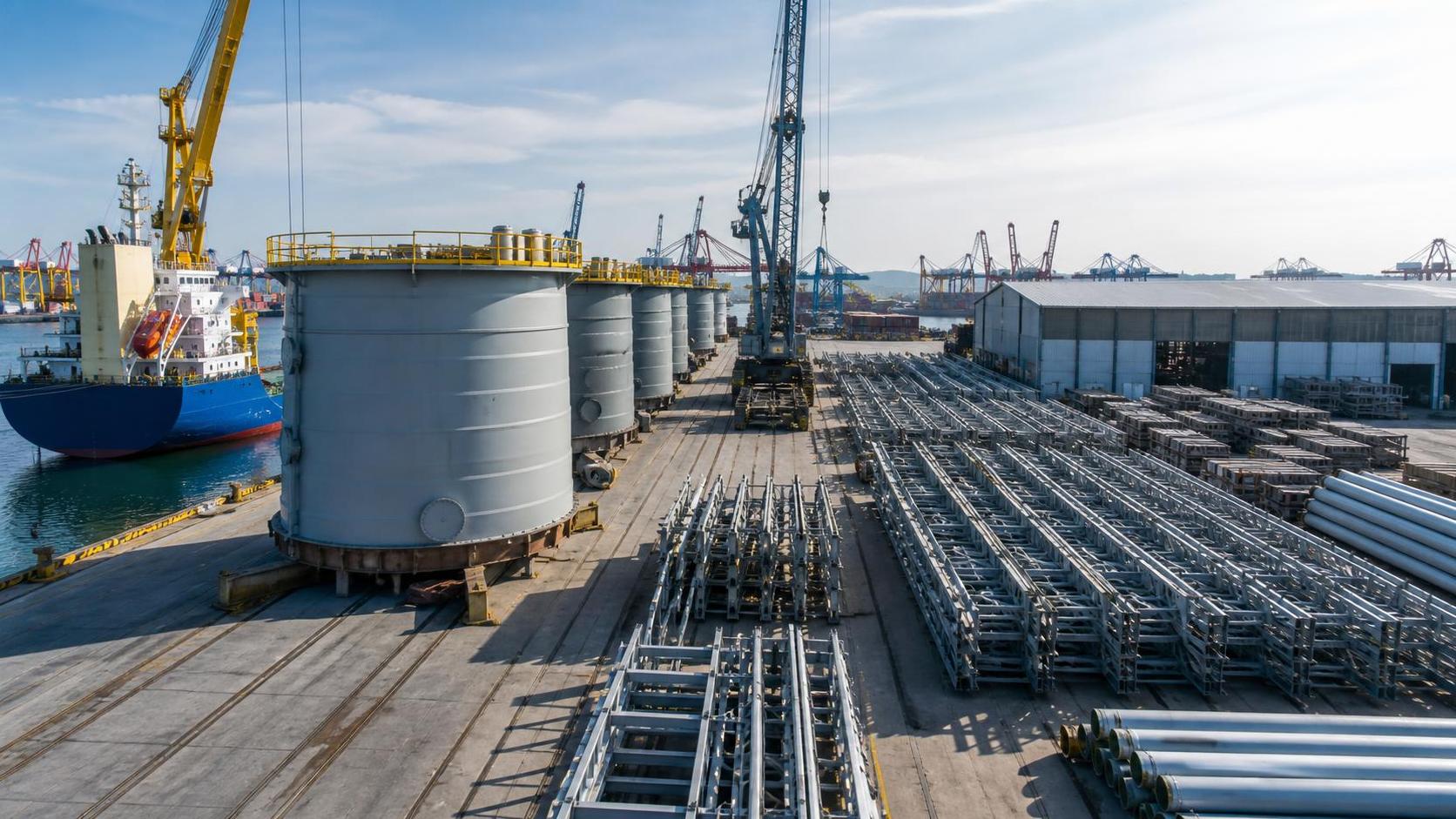
According to the information provided, the European Commission formally issued the revised CBAM implementation rules on July 29, 2026. The newly covered products include wind turbine monopiles, jackets, and large photovoltaic tracking support structures. The new requirement applies from October 1, 2026, to these structural products originating in third countries including China.
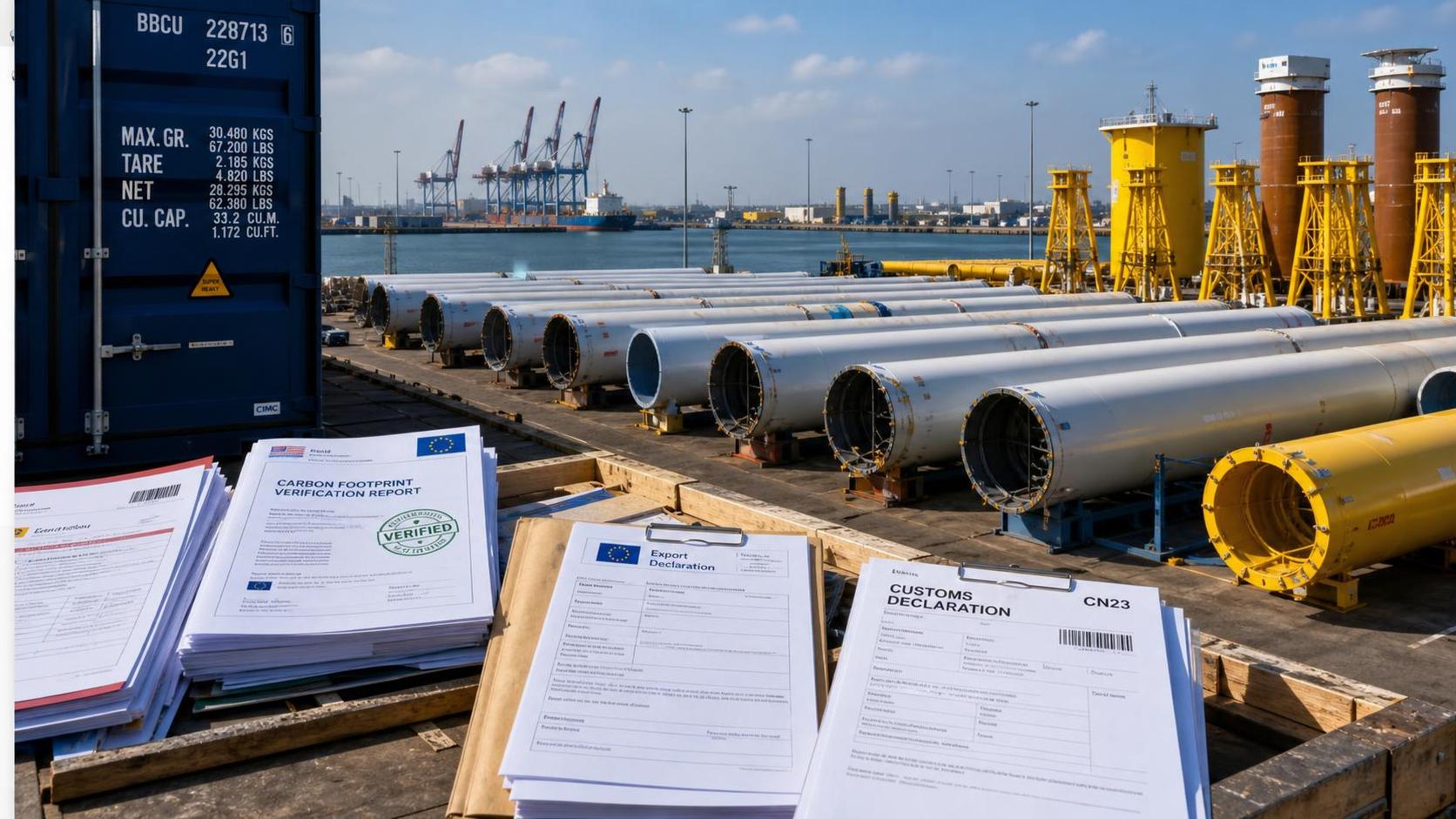
The rules require pre-declaration of carbon emissions intensity and quarterly data verification for the covered products. Where submissions are not compliant, customs clearance will be denied. The adjustment directly affects procurement cost and supply-chain access pathways for global wind EPC contractors, offshore wind equipment importers, and developers of ground-mounted photovoltaic plants.
Where the immediate pressure is likely to appear
Procurement for offshore wind structures
Analysis shows that procurement teams handling monopiles and jackets may face the most immediate operational pressure, because these products are now explicitly within the CBAM coverage described in the revised rules. The impact is likely to appear in supplier screening, contract documentation, shipment readiness, and customs-facing compliance preparation. What deserves closer attention is whether existing sourcing arrangements already include the emissions data needed for pre-declaration and quarterly verification.
Import processes tied to EU customs clearance
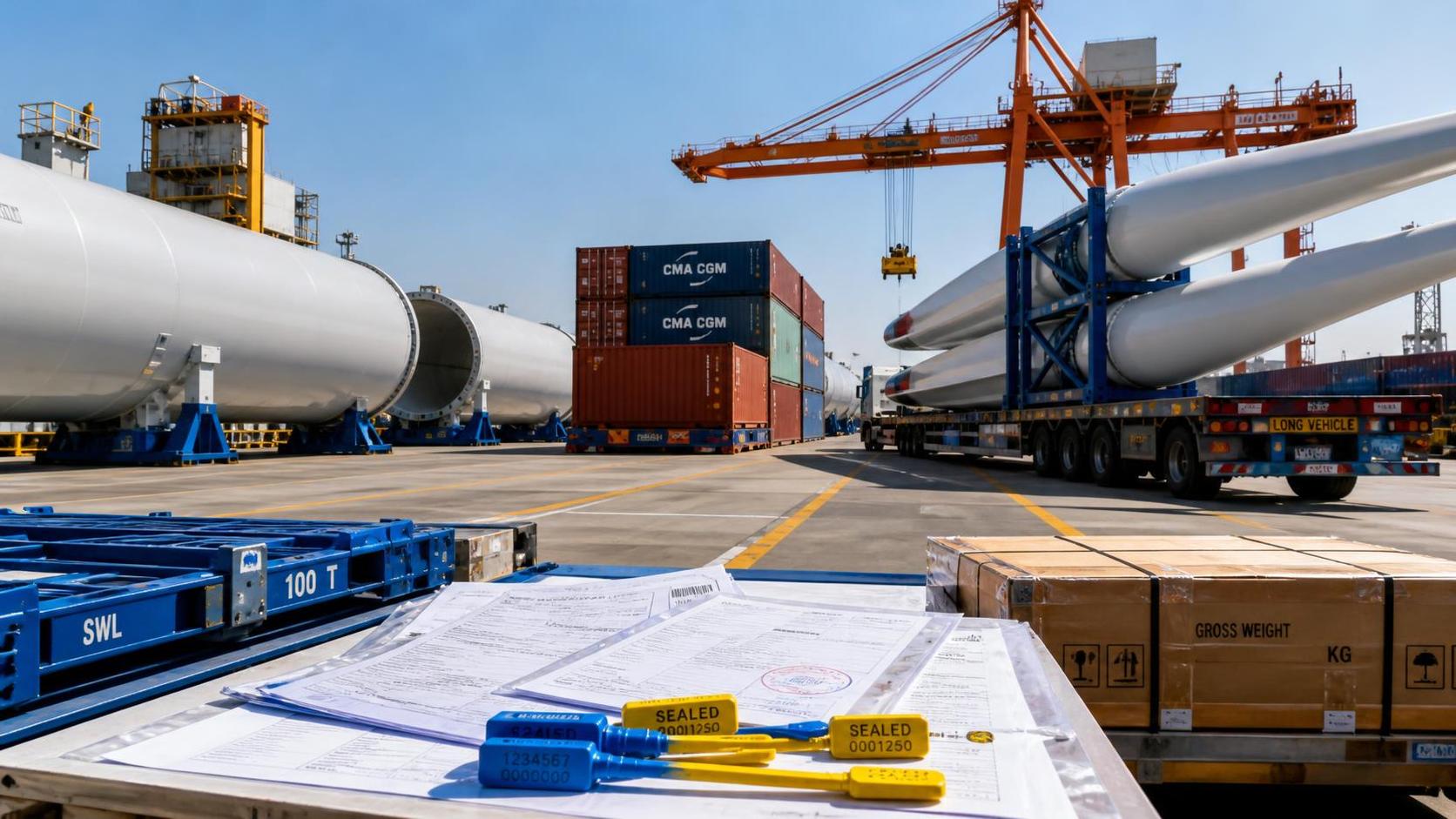
For importers of offshore wind equipment and related structural products, the practical issue is not limited to cost. The information provided indicates that non-compliant submissions can lead to refusal of customs clearance, which makes document accuracy and reporting readiness a front-end market access issue. Observably, this shifts part of the compliance burden from policy teams to logistics, customs, and delivery coordination functions.
Solar project supply chains with tracker-based structures
Developers and buyers of large solar ground-mount systems may also need to reassess procurement assumptions where tracking support structures are involved. From an industry perspective, the issue is less about module demand and more about whether structural balance-of-system components can continue moving into the EU market without reporting friction. The effect may be felt in procurement timing, vendor qualification, and delivery risk management.
What companies should watch before October
Product classification and scope confirmation
Companies exposed to EU-bound shipments should first pay close attention to whether their products fall within the newly covered categories described in the revised rules. For businesses supplying mixed structural assemblies or project-specific fabricated components, the practical task is to confirm scope early enough to avoid disputes at shipment stage.
Readiness for carbon-intensity pre-declaration
The next operational focus is the pre-declaration requirement itself. Analysis shows that affected companies should not treat this as a routine customs formality, because the new rules link emissions-intensity reporting directly to import clearance. Internal responsibility for data collection, review, and submission timing is likely to matter as much as the data itself.
Quarterly verification and document discipline
The quarterly verification requirement suggests an ongoing compliance process rather than a one-time filing step. What deserves closer attention is whether suppliers, exporters, importers, and project owners have aligned expectations on documentation cycles, evidence standards, and handoff responsibilities. In practice, weak coordination across these parties could become a delivery risk.
Commercial communication across the chain
Companies with EU-facing business should also review how this policy change is communicated in contracts, delivery schedules, and customer discussions. Observably, the distinction between a policy announcement and actual shipment readiness will matter in the months around implementation, especially where procurement decisions have already been made but compliance arrangements are still incomplete.
Why this looks like more than a narrow customs update
As an editorial observation, this development is more appropriately understood as a targeted compliance signal for structural energy equipment entering the EU market, rather than as a routine administrative adjustment. The fact that monopiles, jackets, and large photovoltaic tracking structures have been brought into scope points to growing scrutiny on carbon-accounted industrial components used in energy infrastructure.
At the same time, it would be premature to treat this as a fully settled long-term market outcome based on the provided information alone. Analysis shows that the immediate certainty lies in the October 1, 2026 reporting start date and the customs consequences for non-compliance, while the broader commercial response across sourcing, pricing, and supplier access still requires continued observation.
How this news is best understood now
At this stage, the clearest industry meaning is that CBAM compliance is moving further into wind and solar project structures, with direct consequences for import eligibility and procurement execution. For affected companies, this is best understood as a short-term operational change with longer-term strategic implications. It is not simply a headline about carbon policy; it is an early trigger for reviewing whether supply chains, reporting workflows, and shipment preparation are aligned with the new EU entry conditions.
Basis of this article and points for continued verification
This article is based on the user-provided news title, event date, and event summary concerning the European Commission's July 29, 2026 revision of CBAM implementation rules. For this type of industry update, relevant source categories typically include official government or regulatory announcements, company disclosures, industry association notices, authoritative media reporting, and standard-setting or regulatory documents.
No specific official source link was provided in the input, so the underlying document text and any later interpretive guidance still need ongoing verification. Areas that warrant continued attention include any further official wording, scope clarification for covered product categories, and practical compliance expectations affecting procurement, customs submission, and quarterly verification workflows.
Recommended News
Industry Briefing
Get the top 5 industry headlines delivered to your inbox every morning.