
Vietnam Tightens Floating Wind Approval for Monopiles
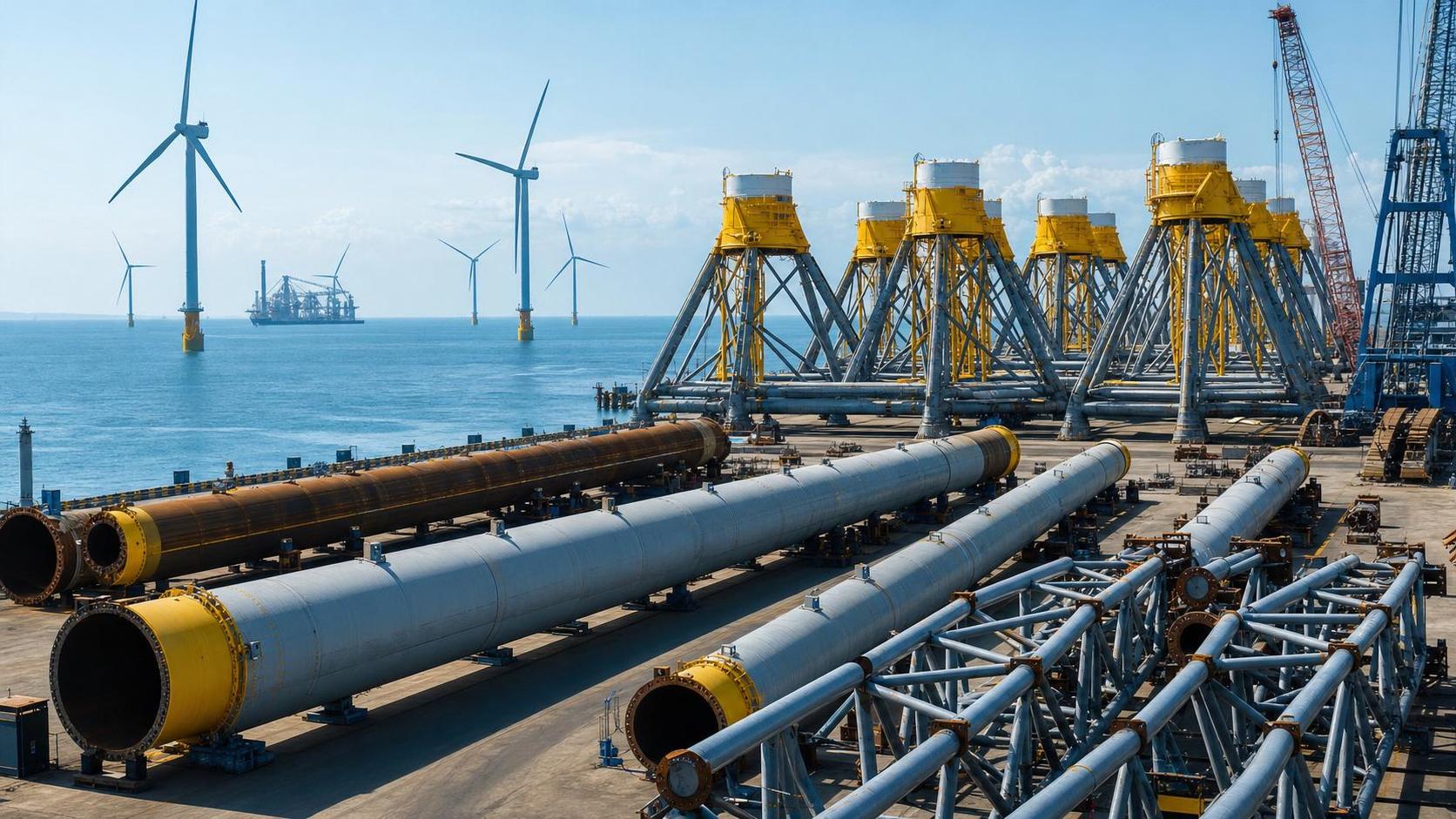
On July 1, 2026, Vietnam’s Electrical Equipment Certification Center (VIEP), under the Ministry of Industry and Trade, updated its import compliance checklist for floating offshore wind equipment and added a new mandatory certification condition for Monopiles and Jackets used in nearshore Vietnam projects. For manufacturers, exporters, project suppliers, and procurement teams, the immediate issue is no longer only technical suitability, but whether fatigue-life assessment under the specified DNV-GL framework can be completed in time to support type approval and delivery schedules.
A new certification gate for nearshore foundation components
According to the information provided, VIEP urgently revised its Technical Compliance Checklist for Imported Floating Offshore Wind Equipment on July 1, 2026. The update adds a mandatory requirement that all Monopiles and Jackets intended for Vietnam nearshore projects must pass the DNV-GL GL-2025 offshore structural fatigue life assessment.
The required assessment includes coupled simulation of wave spectra and typhoon conditions. If this requirement is not met, VIEP will not issue a Type Approval certificate.
The same update has already affected the third-quarter delivery plans of three Chinese pile foundation manufacturers.
Where the pressure is likely to appear first
Manufacturers face a compliance-to-delivery bottleneck
From an industry perspective, manufacturers of Monopiles and Jackets are the first group exposed to direct impact because the new rule links technical assessment results to certificate issuance. The main pressure point is the delivery chain: even where production capability exists, shipment and acceptance for Vietnam-bound projects may be delayed if fatigue assessment work and approval documents are not ready.
Export and trading teams need to recheck transaction assumptions
Companies handling export contracts or project supply for Vietnam may be affected at the documentation and scheduling stage. What deserves closer attention is whether existing quotations, delivery commitments, and contract milestones were built around the prior approval pathway. If not, compliance timing may become a commercial issue rather than only an engineering one.
Procurement and project-side coordination may become more document-driven
For buyers, EPC-related supply teams, and project coordinators, the change matters because certification status can now influence supplier selection and expected handover timing. The practical impact is likely to appear in bid clarification, supplier qualification review, and shipment readiness checks, especially where Monopiles or Jackets are already tied to near-term project milestones.
Certification and technical service providers may see tighter review expectations
Analysis shows that service providers involved in structural assessment, technical documentation, and approval support may also come under pressure. The rule specifically references fatigue-life assessment with coupled wave-spectrum and typhoon-condition simulation, which means the quality, completeness, and timing of submitted technical files may become more closely scrutinized.
What companies should watch now
Track whether VIEP issues further clarification
The current information confirms the mandatory requirement and the approval consequence, but companies should watch for any further official wording on implementation details. In practice, the distinction between a high-level rule and its document-by-document application can affect project timing materially.
Review products already scheduled for Vietnam delivery
For companies with Monopiles or Jackets allocated to Vietnam nearshore projects, the immediate task is to identify which orders depend on VIEP Type Approval and whether the required DNV-GL GL-2025 fatigue assessment has already been completed, is underway, or still needs to be arranged.
Check document readiness alongside production readiness
Observably, this update shifts part of execution risk from factory output to approval readiness. Companies should therefore examine whether technical reports, supporting simulation materials, and certification-related files are aligned with the new requirement before treating a shipment plan as firm.
Prepare customer communication around lead-time risk
Because the rule has already affected Q3 delivery plans for three Chinese pile foundation manufacturers, suppliers and trading teams should be prepared for schedule discussions with customers. The key issue is not to assume delay in every case, but to communicate clearly where approval timing could alter delivery commitments.
Why this matters beyond a single rule update
Analysis shows that this is more than a routine paperwork change. The update connects Vietnam market access for specified offshore wind foundation components to a defined fatigue-life assessment pathway, including coupled wave and typhoon simulation. That makes the rule relevant not only to certification staff, but also to engineering, sales, procurement, and project execution teams.
At the same time, it is more appropriate to understand this as a live regulatory signal rather than a fully settled market outcome. The information confirms an immediate compliance threshold and notes current delivery disruption, but broader effects on project pipelines, supplier positioning, or long-term sourcing patterns still require continued observation.
How this update is best understood for now
At this stage, the VIEP revision should be read as an immediate operational change with possible longer-term implications. The confirmed fact is clear: without the specified DNV-GL GL-2025 fatigue assessment, Monopiles and Jackets for Vietnam nearshore projects will not obtain VIEP Type Approval. The broader industry meaning is that compliance review is becoming a more decisive part of offshore wind equipment delivery into this market.
A measured conclusion is that the development deserves close monitoring rather than overstatement. It already affects delivery planning, but its wider significance will depend on how consistently the rule is applied and whether further clarifications follow.
Basis of this article
This article is based on the user-provided news title, event date, and event summary. The writing draws only on the supplied information that VIEP updated its import compliance checklist on July 1, 2026, added a mandatory DNV-GL GL-2025 offshore fatigue-life assessment requirement for Monopiles and Jackets used in Vietnam nearshore projects, and that the change has affected the Q3 delivery plans of three Chinese pile foundation manufacturers.
For this type of industry update, commonly relevant source categories may include official notices, company disclosures, industry association updates, authoritative media reports, and standard-organization documents. No specific official source link was provided in the input, so the exact source document path still needs continued verification. Follow-up attention should focus on any additional VIEP clarification, document-level implementation details, and further signs of impact on certification timing and project delivery schedules.
Recommended News

Industry Briefing
Get the top 5 industry headlines delivered to your inbox every morning.