
How Harsh Environment Durability Affects Wind Turbine Service Life

How Harsh Environment Durability Affects Wind Turbine Service Life
For wind assets, service life is never defined by nameplate design alone.
It is defined by how equipment performs when temperature, moisture, salinity, dust, vibration, and grid events start compounding over years.
That is why harsh environment durability matters so much in technical evaluation.
A turbine may meet rated output on paper, yet still lose service life early if its materials, coatings, seals, controls, and structure are mismatched to site conditions.
In practice, harsh environment durability directly affects failure rates, maintenance intervals, uptime, and long-term energy yield.
Why harsh environment durability changes service life predictions
Wind turbine service life is usually discussed as a 20 to 25 year target.
But actual lifetime depends on accumulated damage, not calendar years.
Harsh environment durability determines how fast that damage builds inside blades, towers, bearings, converters, yaw systems, and control electronics.
When durability is weak, small defects accelerate.
A coating pinhole becomes corrosion. A hot inverter cabinet becomes power derating. Repeated gust loading becomes fatigue cracking. Service life shortens quietly before obvious failure appears.
The main environmental stressors behind early aging
Different regions attack turbines in different ways, and that changes the evaluation logic.
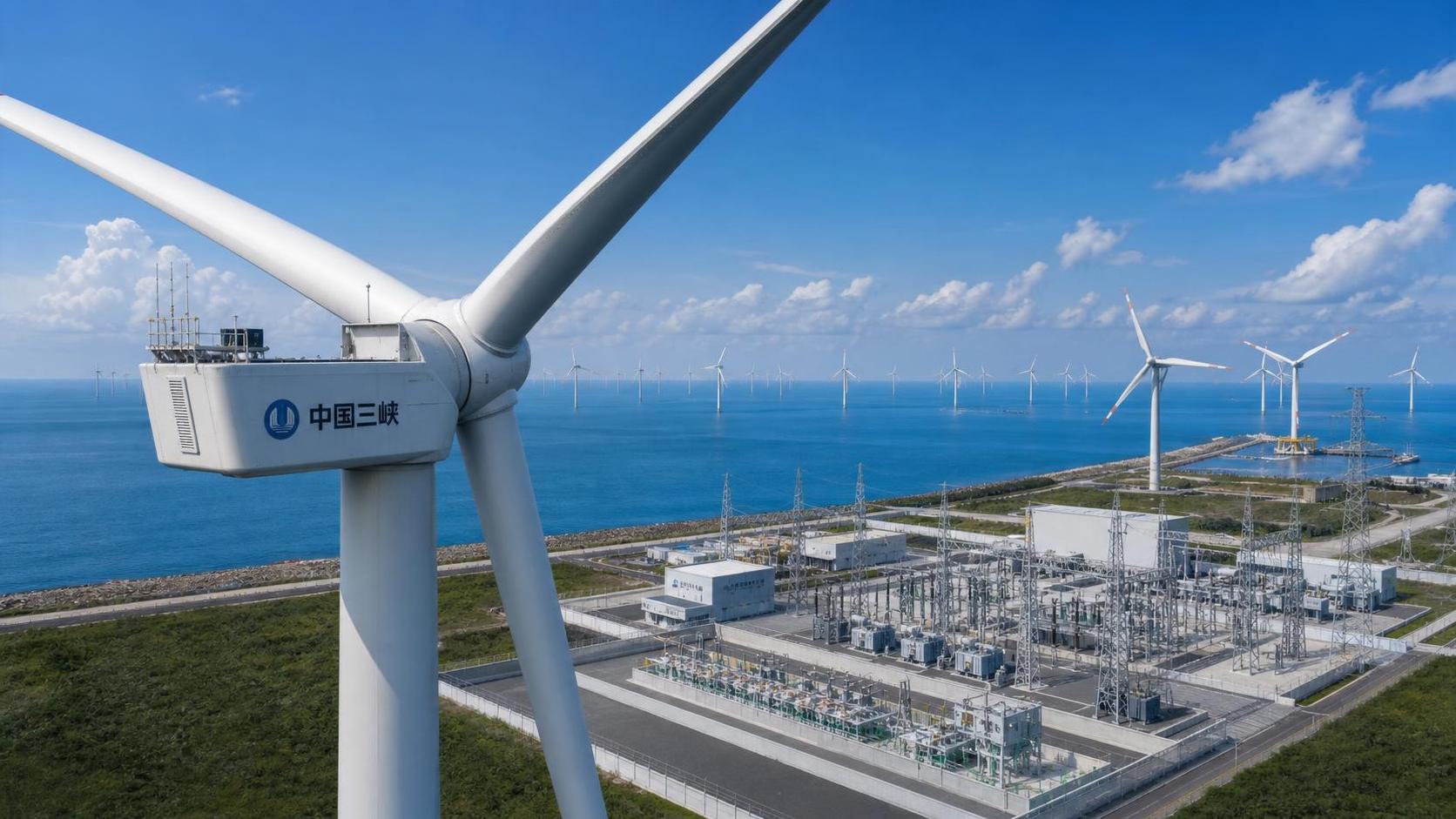
Offshore salt spray and humidity
Salt is aggressive because it drives corrosion and weakens electrical insulation.
It affects towers, fasteners, nacelle housings, cable terminations, cooling systems, and internal cabinets.
If harsh environment durability is not proven with marine-grade protection, hidden degradation can spread long before inspection catches it.
Typhoon loads and turbulent gusts
Extreme wind events are not only about peak speed.
They also create rapid load reversals, emergency stops, blade deflection, and yaw misalignment stress.
This pushes structural harsh environment durability into the center of lifetime forecasting.
Desert heat and sand erosion
High ambient temperature reduces cooling efficiency and stresses power electronics.
Sand damages blade leading edges, ventilation paths, seals, and moving interfaces.
Over time, reduced aerodynamic quality and thermal stress lower output while increasing maintenance frequency.
Which components are most sensitive
Not all turbine parts age at the same rate.
- Blades: erosion, lightning damage, resin aging, and fatigue accumulation.
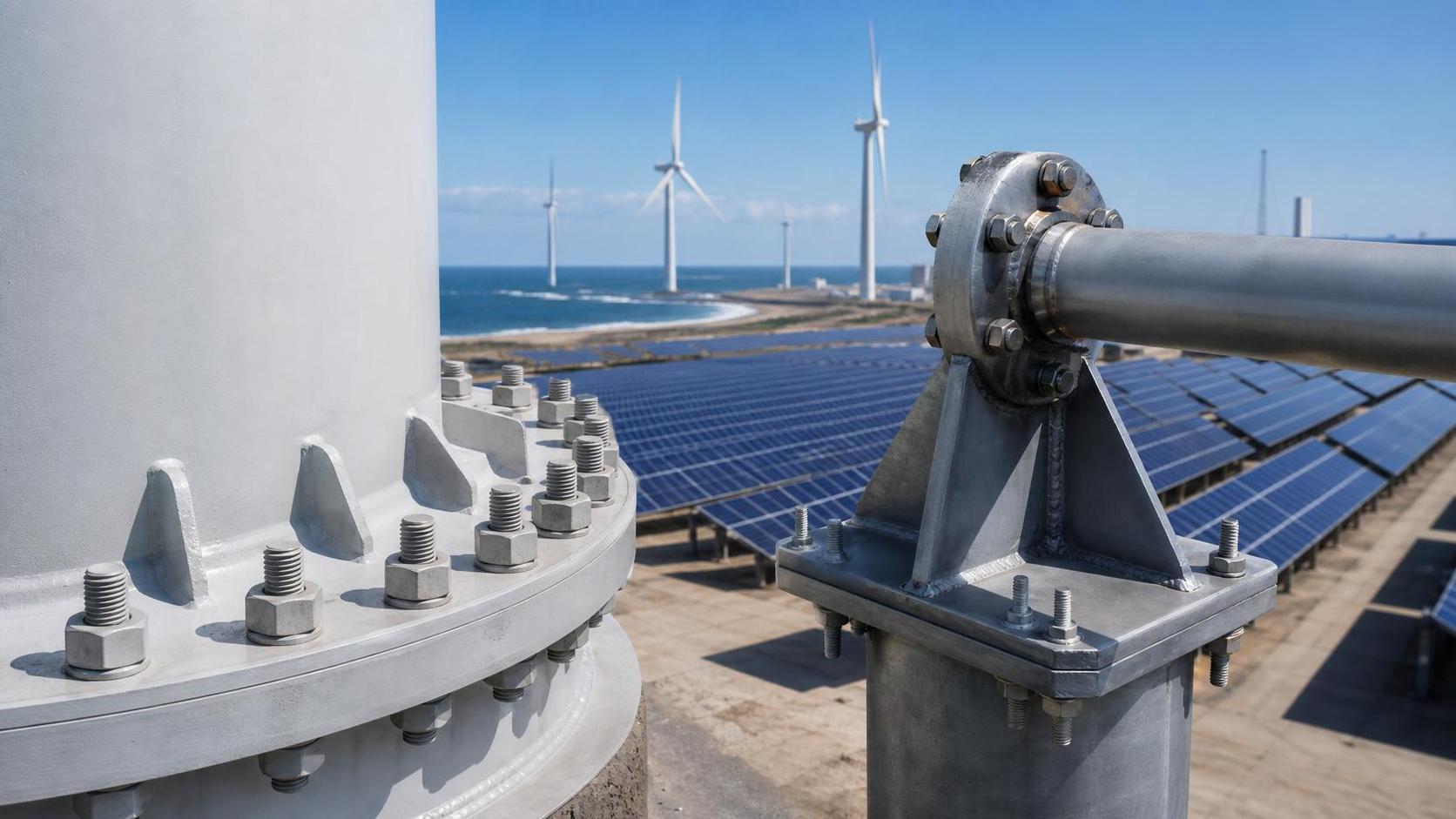
- Tower and foundation interfaces: corrosion, coating loss, and cyclic stress concentration.
- Gearbox and bearings: lubricant breakdown, contamination, and thermal cycling.
- Converters and transformers: insulation aging, heat stress, and grid disturbance exposure.
- Yaw and pitch systems: seal wear, actuator fatigue, and control-response degradation.
A solid harsh environment durability review should trace each failure mode to local climate and operating history.
How to assess harsh environment durability in a technical review
This is where many evaluations become too generic.
A reliable review should look beyond brochures and ask for evidence tied to conditions, standards, and field data.
- Check environmental design class, corrosion category, ingress protection, and temperature range.
- Review third-party test results for salt spray, UV aging, thermal cycling, vibration, and dust resistance.
- Ask for blade leading-edge protection data and erosion repair intervals.
- Compare converter derating behavior under high temperature and unstable grid conditions.
- Request fleet operating data from sites with similar wind regime, humidity, and contamination levels.
This approach turns harsh environment durability from a marketing claim into a measurable selection criterion.
Impact on lifecycle cost and availability
The commercial effect is usually larger than the upfront equipment premium.
Better harsh environment durability often means fewer crane campaigns, lower spare-part demand, less unplanned downtime, and more stable annual energy production.
That matters even more offshore or in remote inland sites where maintenance logistics are expensive.
In other words, durability quality is a service-life issue, but it is also an LCOE issue.
A practical decision framework
A useful evaluation starts with one simple question: what will damage this turbine first at this exact site?
Then align turbine design, protection systems, and maintenance planning around that answer.
For coastal projects, prioritize corrosion control and sealed electrical architecture.
For typhoon regions, focus on load survival margins, control strategy, and structural fatigue resistance.
For desert sites, focus on heat management, filtration, and blade erosion resistance.
When harsh environment durability is evaluated this way, service life forecasts become more realistic, procurement decisions become sharper, and asset risk becomes easier to control over decades.
Recommended News

Industry Briefing
Get the top 5 industry headlines delivered to your inbox every morning.