How to Improve Wind Power Efficiency in Wind Farms
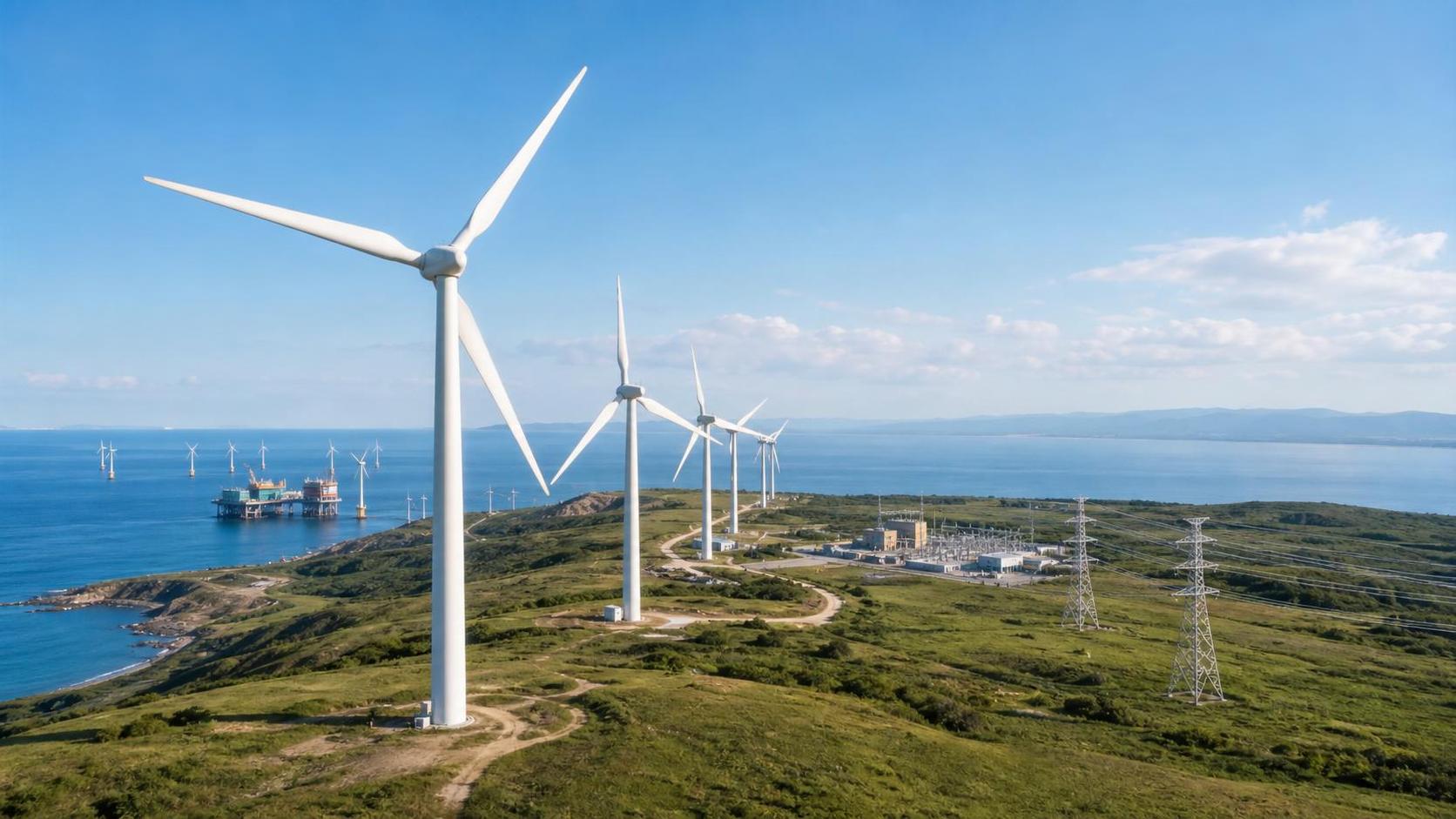
How to Improve Wind Power Efficiency in Wind Farms in Real Operating Conditions
Improving wind power efficiency in wind farms is rarely a single-equipment question. It usually sits at the intersection of turbine design, terrain behavior, control logic, and grid response.
In practical energy projects, the same turbine can perform very differently across inland ridges, coastal clusters, or repowered legacy sites. That is why efficiency analysis must start with the operating scene.
This is also where REGS keeps its value clear. The platform connects aerodynamic performance, blade structure, grid-forming behavior, and lifecycle economics instead of isolating each discipline.
For anyone evaluating wind power efficiency in wind farms, the useful question is not only how much energy a turbine can capture, but how consistently that output survives losses over time.
Why the Same Efficiency Target Changes by Site
Different sites create different loss patterns. A high-wind location may still underperform if wake interaction, curtailment, or blade soiling are not managed well.
By contrast, a moderate-wind project may deliver stronger annual yield when turbine spacing, yaw control, and power electronics are better matched to the grid environment.
In actual application, wind power efficiency in wind farms should be judged through four linked filters: resource capture, conversion quality, electrical compatibility, and degradation control.
What usually shifts the benchmark
- Complex terrain increases turbulence intensity and uneven loading.
- Offshore assets face salt corrosion, access delays, and stricter reliability demands.
- Weak-grid regions require stronger converter and control coordination.
- Aging fleets often lose efficiency through suboptimal retrofits rather than poor wind resource.
Where Onshore Wind Farms Usually Gain or Lose Efficiency
In large onshore wind farms, wake loss often matters more than brochure-rated turbine power. Layout refinement and wake steering can unlock more value than simply choosing a larger rotor.
Sites with seasonal wind shifts need more attention to yaw accuracy and control responsiveness. Small alignment errors can create persistent underperformance across an entire turbine row.
Another common issue is mismatch between blade design and local turbulence. Long blades improve energy capture, but they also raise fatigue sensitivity when inflow conditions are unstable.
A better approach is to evaluate wind power efficiency in wind farms through annual energy production, wake recovery distance, and maintenance accessibility together.
Offshore Projects Need a Different Efficiency Logic
Offshore wind farms usually benefit from stronger and steadier wind, yet efficiency gains are harder to protect. Marine exposure turns minor design weaknesses into large lifecycle losses.
In this scene, wind power efficiency in wind farms depends heavily on blade leading-edge durability, corrosion-resistant tower systems, and stable converter performance during harsh weather windows.
Grid export also becomes more critical. If offshore substations, reactive power support, or fault ride-through behavior are weak, captured energy may not translate into useful delivered power.
REGS often frames this as a full-chain efficiency issue: aerodynamic conversion is only the first step, while structural endurance and grid-safe transmission preserve the real yield.
Repowering and Digital Retrofit Scenarios Often Look Better on Paper
Repowering projects are frequently presented as straightforward efficiency upgrades. In reality, old foundations, legacy cabling, and grid connection limits can narrow the expected gain.
More common success comes from targeted digital retrofits. Advanced pitch control, condition monitoring, and predictive maintenance can recover output without triggering major civil reconstruction.
This is especially relevant when downtime carries high revenue loss. In these cases, improving wind power efficiency in wind farms means reducing hidden losses, not only chasing peak output.
A quick comparison of scene-based priorities
Misjudgments That Weaken Wind Power Efficiency in Wind Farms
A frequent mistake is to judge efficiency only by nameplate capacity or rotor diameter. That ignores curtailment, wake effects, thermal derating, and control instability.
Another weak assumption is treating similar wind maps as similar operating scenes. Surface roughness, ambient temperature, and grid conditions can change the efficiency path completely.
There is also a cost-side misread. Lower capital cost does not automatically improve wind power efficiency in wind farms if blade erosion, inverter trips, or gearbox stress raise lifetime losses.
How to Build a More Reliable Efficiency Improvement Plan
Start by separating capture losses from delivery losses. If the wind is available but not fully exported, the answer is not a bigger turbine but stronger grid integration logic.
Then compare aerodynamic upgrades with digital interventions. Some projects gain more from smarter control systems than from hardware replacement.
- Validate micro-siting against turbulence and wake recovery data.
- Check blade condition, pitch response, and yaw deviation trends.
- Review converter behavior under voltage fluctuation and weak-grid events.
- Model lifecycle cost alongside annual energy yield and downtime exposure.
The most practical next step is to map each wind farm by site type, control maturity, and grid constraints. That makes wind power efficiency in wind farms measurable in operational terms, not just theoretical ones.
Recommended News
Industry Briefing
Get the top 5 industry headlines delivered to your inbox every morning.