
ITC Opens Countervailing Duty Probe on Chinese Central Inverters
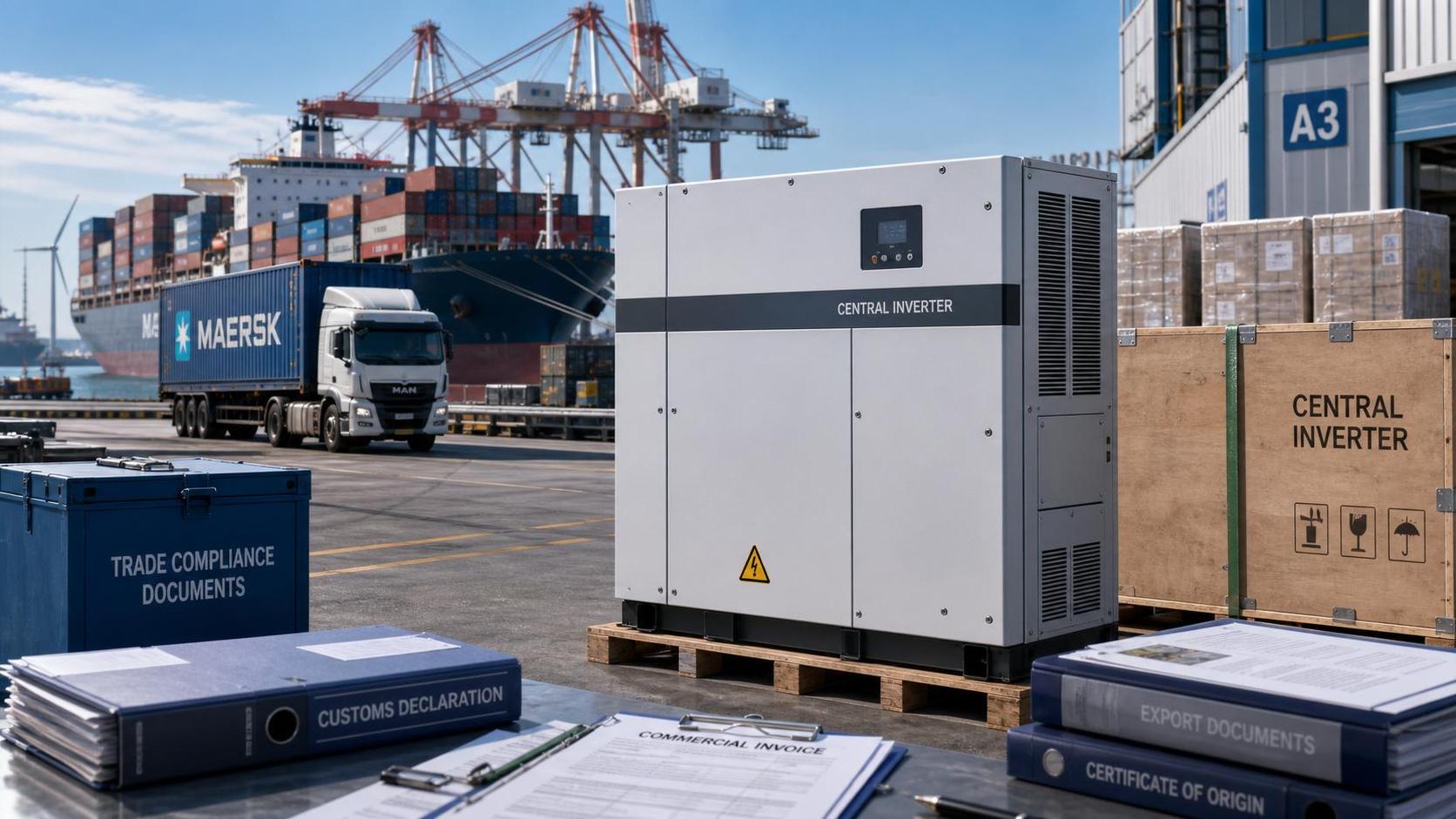
On July 12, 2026, the U.S. International Trade Commission (ITC) formally opened a countervailing duty investigation into central inverters originating from China. For exporters, importers, and supply chain participants tied to this product category, the case matters not only as a trade action but as an immediate compliance and delivery issue. Market participants in North America, Latin America, and the Caribbean now need to watch customs documentation, landed cost exposure, and shipment timing more closely.
What Has Been Confirmed So Far
The confirmed facts are limited but commercially significant. The ITC opened the case on July 12, 2026, and the investigation targets Chinese-origin central inverters. The case involves major exporting companies and related supporting supply chains. Based on the information provided, the investigation is expected to directly affect customs compliance routes, procurement costs, and delivery cycles for importers in North America, Latin America, and the Caribbean. The same information also indicates that the outcome could lead to additional duties of more than 30% and may require a complete proof chain concerning upstream raw material subsidies.
Where the Immediate Pressure May Appear
Import-side compliance is likely to tighten first
From an industry perspective, importers are among the first groups likely to feel the impact because customs treatment, document review, and product-origin scrutiny can affect whether goods move smoothly. The main pressure points are likely to be clearance procedures, document completeness, and the ability to support product and supply chain declarations.
Exporters may face cost and timing uncertainty
Analysis shows that Chinese exporters of central inverters and their related supply chains may need to prepare for changes in transaction costs and delivery expectations. The most direct business impact is not only potential duty exposure, but also the risk that customers ask for more detailed supporting materials before shipment or contract execution.
Upstream suppliers enter the compliance chain
What deserves closer attention is the reference to a complete upstream raw material subsidy proof chain. This means the impact may not stop at the finished product level. Suppliers connected to raw materials or upstream inputs may come under greater documentation pressure if downstream exporters or importers need a fuller audit trail.
Regional buyers may need to reassess procurement rhythm
For buyers in North America, Latin America, and the Caribbean, the issue is not limited to price. Observably, delivery planning, contracting timelines, and supplier communication may all require adjustment if customs handling becomes more complex or if expected duty costs change the economics of ongoing orders.
What Companies Should Watch Now
Monitor official wording and procedural updates
Companies should closely track how the case is described in subsequent official communications, especially where product scope, document expectations, or procedural milestones are clarified. In trade cases, the difference between an initial filing and later procedural detail can materially affect actual business handling.
Review documentation depth across the supply chain
Given the stated possibility of requiring a complete upstream subsidy proof chain, firms should examine whether supplier records, sourcing documents, and supporting declarations are complete enough for customer or customs review. This is a practical issue, not just a legal one, because missing materials can disrupt shipment schedules.
Recheck cost assumptions in active transactions
The possibility of additional duties exceeding 30% means current quotations, landed cost calculations, and delivery commitments may need to be stress-tested. Companies with exposure to affected markets should distinguish between signed business, pending orders, and future bids when assessing risk.
Align customer communication with execution risk
Importers, exporters, and service providers should keep customer communication tied to verifiable facts: the case has been opened, compliance requirements may tighten, and cost or timing may change depending on later developments. Clear communication matters because delivery expectations and document requests may shift before any final business response is fully settled.
Why This Matters Beyond a Single Filing
Analysis shows that this development should not be read only as a routine filing notice. It is more appropriate to understand it as an early-stage trade signal with practical consequences for compliance, cost planning, and supply chain transparency. At the same time, it is not yet a final outcome. The industry therefore needs to separate confirmed facts from potential scenarios and continue watching how the case develops before treating any one result as settled.
How to Read the Current Signal
At this stage, the most balanced interpretation is that the investigation creates a near-term operating issue and a medium-term policy risk for businesses connected to Chinese central inverters. The clearest immediate meaning lies in documentation, customs handling, procurement budgeting, and delivery planning. Whether the case becomes a lasting commercial burden depends on later developments, so the current signal is important, but it still requires continued observation rather than fixed conclusions.
Basis of This Article
This article is based on the user-provided news title, event date, and event summary related to the ITC investigation opened on July 12, 2026. For this type of industry update, relevant source categories typically include official agency notices, company disclosures, industry association updates, authoritative media reporting, and related compliance documents. A specific official source link was not provided in the input, so the underlying details still require ongoing verification against later official releases. Further attention should focus on subsequent procedural updates, any clarification of documentation requirements, and any confirmed changes affecting customs compliance, cost exposure, or delivery timing.
Recommended News



Industry Briefing
Get the top 5 industry headlines delivered to your inbox every morning.