Smart Inverter Systems: Common Integration Issues and Fixes
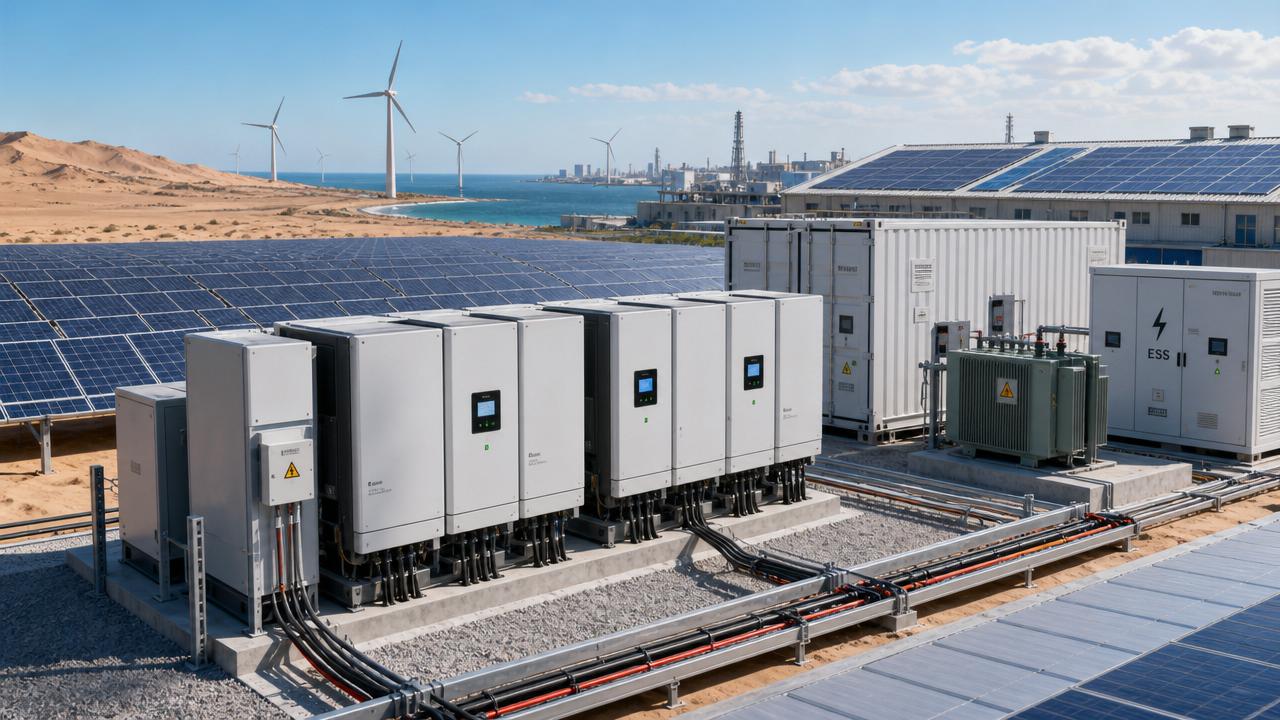
Smart inverter systems fail differently once site conditions change
Smart inverter systems sit at the center of renewable power conversion, but integration trouble rarely starts from one device alone.
In actual projects, faults often appear where PV modules, transformers, trackers, SCADA, and grid rules meet.
That is why REGS tracks not only inverter efficiency, but also grid-forming behavior, thermal stress, and site-level compatibility.
A desert solar base, a coastal hybrid plant, and a retrofitted industrial roof may all use smart inverter systems, yet their weak points differ sharply.
The practical goal is simple: find the real integration bottleneck early, restore stable operation fast, and avoid repeat shutdowns.
Why one installation logic does not fit every site
The same alarm code can mean different things under different operating conditions.
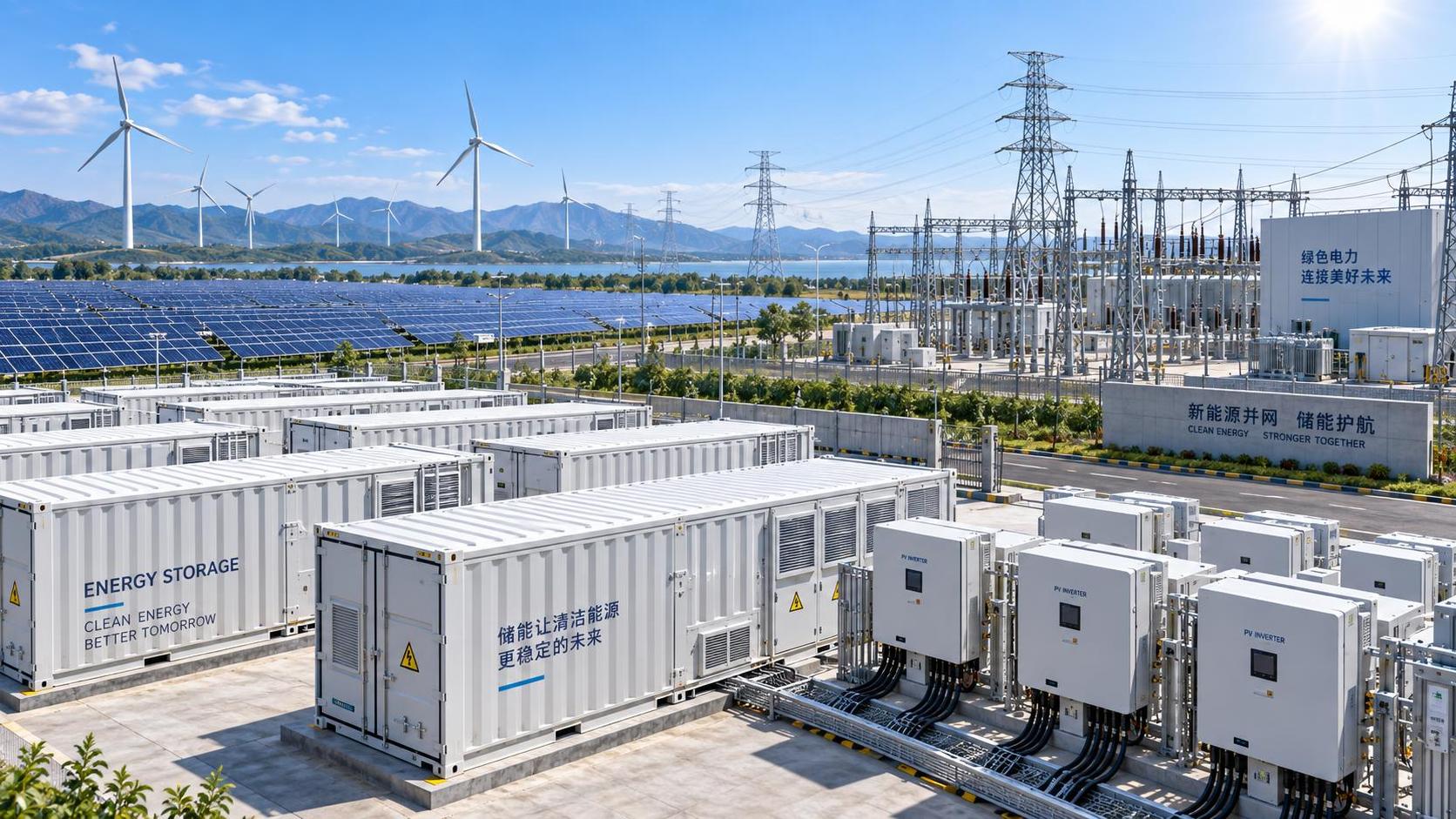
At a utility-scale solar plant, smart inverter systems usually face long cable runs, high DC mismatch exposure, and stricter grid-code testing.
On mixed renewable sites, the bigger issue may be controller coordination between wind assets, storage, and inverter dispatch logic.
For commercial rooftops, integration problems often come from uneven strings, outdated switchgear, and poor communication mapping.
A useful judgement method is to separate electrical faults, thermal limits, firmware mismatches, and grid-compliance responses before replacing hardware.
Large solar bases usually expose power quality issues first
In mega-base deployment, smart inverter systems are pushed hard by irradiance swings, reactive power commands, and long-distance collection networks.
A common mistake is blaming the inverter when harmonic distortion actually comes from transformer interaction or capacitor bank switching.
Another frequent problem is DC overvoltage during cold mornings, especially where module upgrades outpace inverter configuration reviews.
Here, the fix usually starts with string verification, grid parameter confirmation, and event-log correlation across feeders.
Hybrid and storage-linked sites demand tighter control coordination
Where PV, battery systems, and sometimes wind turbines share dispatch signals, smart inverter systems need cleaner command hierarchy.
If active power curtailment, Volt-VAR logic, and battery EMS priorities conflict, nuisance trips can look like hardware instability.
More reliable troubleshooting comes from checking protocol consistency, timestamp alignment, and ride-through settings before changing boards.
Different sites, different judgement points
The differences become clearer when the field conditions are compared side by side.
This is also where smart inverter systems show their value.
Their intelligence only helps when the surrounding equipment, settings, and grid assumptions are equally well matched.
The most common integration issues are often not the most visible
In day-to-day maintenance, the obvious alarm is not always the real cause.
- Communication loss may come from duplicate IP settings, poor RS485 termination, or gateway firmware drift.
- Frequent disconnection may reflect weak grid voltage support settings rather than defective inverter power stages.
- Repeated thermal alarms can point to dust loading, blocked airflow, or oversized expectations under desert heat.
- Unexpected low yield may trace back to tracker behavior, module mismatch, or incorrect MPPT zoning.
REGS often treats these as system-level intelligence questions, not isolated component failures.
That perspective matters because zero-carbon grid performance depends on coordinated reliability, not nameplate values alone.
Before fixing fast, avoid the usual misjudgements
One repeated error is checking only inverter parameters and ignoring upstream module changes or downstream protection revisions.
Another is treating similar projects as identical, even when local grid codes define different ride-through windows.
Smart inverter systems also get misjudged when short commissioning success is taken as proof of long-term stability.
Seasonal heat, salt mist, dust ingress, and curtailment cycles may reveal issues weeks later.
A better approach is to compare event logs, environmental stress, and control responses over time, not just at handover.
What makes smart inverter systems easier to stabilize
The most effective fixes are usually disciplined rather than dramatic.
- Create a site-specific checklist covering grid code, transformer ratio, firmware version, and communication topology.
- Verify thermal assumptions against real climate data, especially for desert, offshore, or remote inland installations.
- Review interoperability after any module, tracker, EMS, or protection upgrade.
- Keep fault analysis linked to production trends, not just alarm history.
When smart inverter systems are judged in context, troubleshooting becomes faster and grid readiness becomes more predictable.
The next practical step is to map each site by operating environment, control chain, and compliance constraints, then build fixes around those realities.
Recommended News
 How battery storage determines the size of solar grid systems for islandsTime : Oct 08, 2026
- What determines the price of a smart hybrid controller?Time : Oct 06, 2026
- How virtual inertia technology stabilizes weak grids with renewablesTime : Sep 13, 2026

Industry Briefing
Get the top 5 industry headlines delivered to your inbox every morning.