
US Ruling Expands Tariffs to AI-Enabled Central Inverters
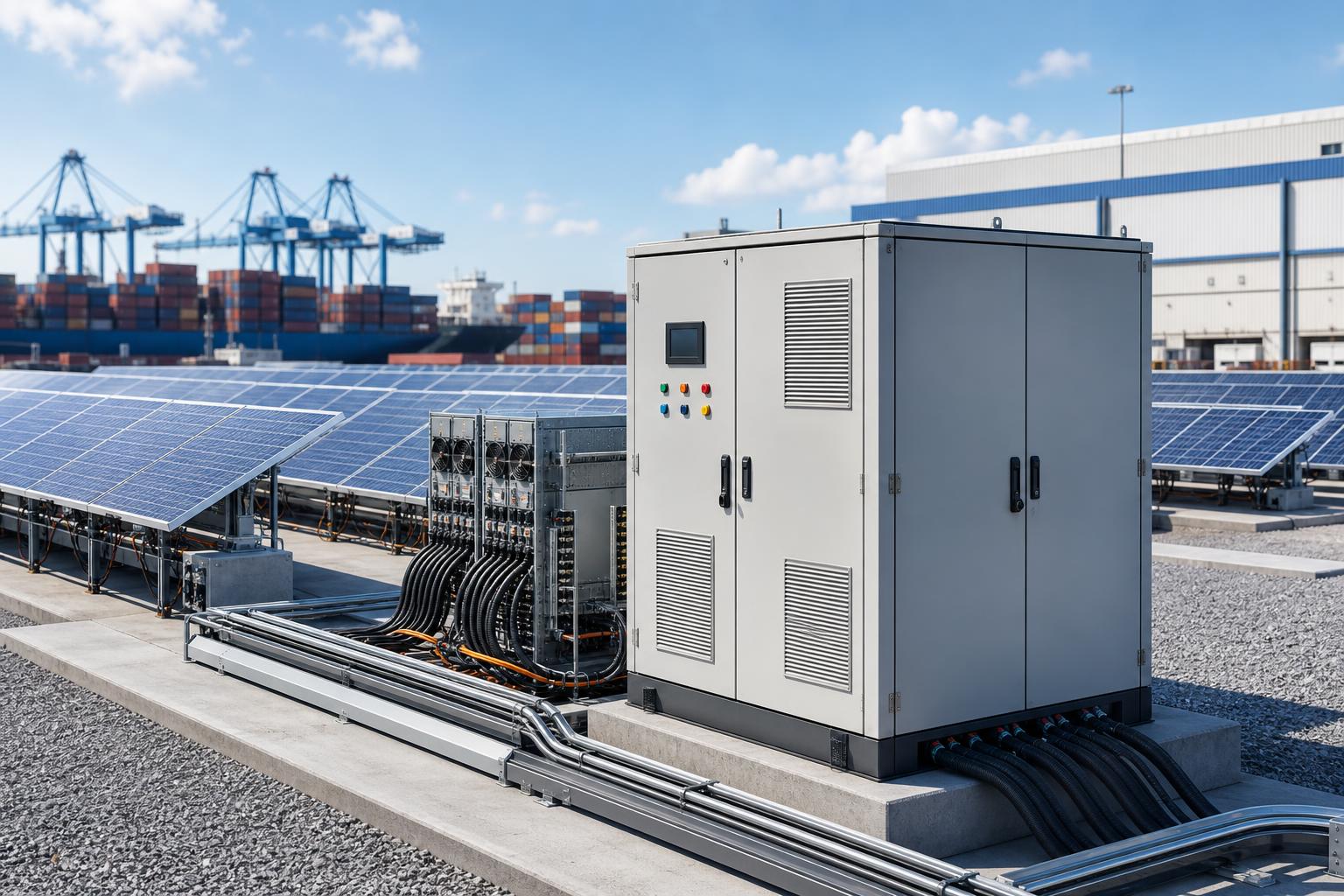
On June 27, 2026, the U.S. Department of Commerce announced a determination that places part of the Central Inverters trade flow under a new compliance and tariff condition. According to the notice, certain Central Inverters exported from China were found to have engaged in circumvention through embedded AI Backtracking control modules, and products with intelligent tracking and dispatching functions will be added to the Section 301 additional tariff list from July 15, 2026, with the rate raised to 32.5%. For the industry, this is not just a pricing issue; it directly affects product classification, export compliance review, procurement decisions, and delivery planning across suppliers and buyers linked to the U.S. market.
What the determination changes in confirmed terms
The confirmed facts are limited but commercially significant. The U.S. Department of Commerce issued the announcement on June 27, 2026. In that announcement, it determined that some Central Inverters exported from China had carried out circumvention by embedding AI Backtracking control modules. Based on that determination, Central Inverters with intelligent tracking and dispatching capability will be brought into the scope of Section 301 additional tariffs starting on July 15, 2026. The applicable tariff rate for that scope is stated as 32.5%.
The information provided also makes clear that the ruling directly affects Chinese companies exporting central inverter products with integrated AI algorithm capability to the United States. At the same time, it affects procurement costs for U.S. system integrators that rely on this category of equipment.
Where the pressure is likely to appear first
Export-facing product teams will need sharper scope reviews
From an industry perspective, the first area of impact is the product and export interface. Companies shipping Central Inverters to the U.S. market may need to review whether embedded AI Backtracking functions or intelligent tracking and dispatching features place a product within the newly taxed scope. The practical issue is not only tariff cost, but also how product functions are described in technical files, commercial documents, and export-related materials.
Procurement decisions may shift around feature-linked cost exposure
For buyers and system integration participants, the ruling matters because the tariff change is tied to functional characteristics rather than to a generic equipment label alone. Observably, procurement teams using this equipment in U.S.-bound projects may need to reassess sourcing assumptions, cost estimates, and model selection where AI-enabled scheduling or tracking functions are involved. The immediate pressure point is likely to be budgeting and supplier comparison, especially where purchase decisions were based on a different tariff assumption before July 15, 2026.
Delivery and supply chain coordination could become more document-sensitive
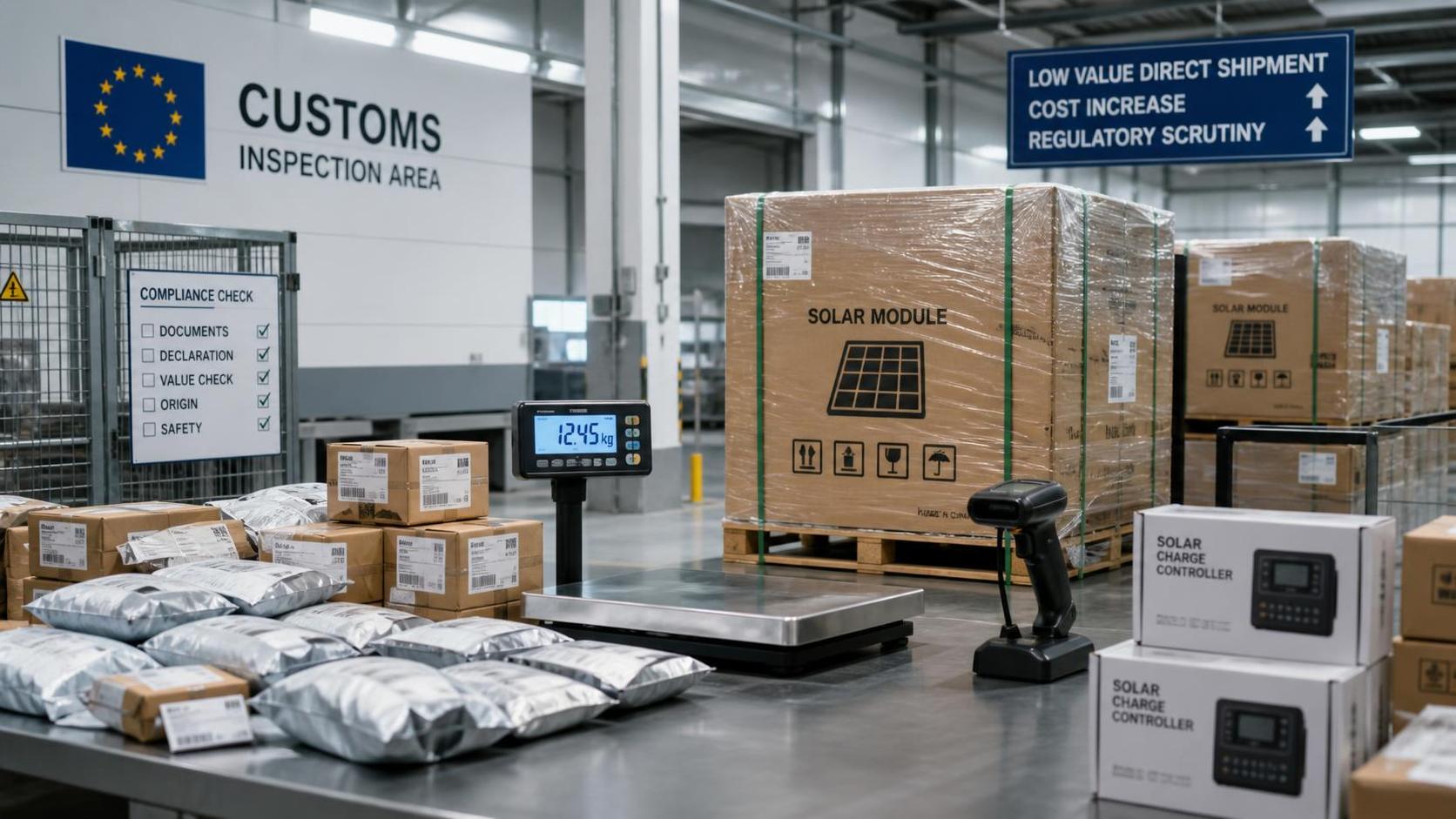
Supply chain service providers, channel participants, and delivery coordinators may also face closer scrutiny around product descriptions, shipment timing, and supporting documentation. Analysis shows that once a rule change is linked to product functionality, consistency across invoices, specifications, declarations, and bid documents becomes more important. Even without further execution detail in the provided information, the operational risk is that mismatched descriptions could complicate customs handling, procurement review, or project delivery coordination.
Practical points companies should watch now
Check how intelligent control functions are presented in technical materials
What deserves closer attention is whether product brochures, specifications, software descriptions, and bid materials clearly present AI Backtracking or intelligent tracking and dispatching functions. Where the product includes such capabilities, companies should review whether those descriptions align with the scope implied by the announced tariff treatment.
Track official wording and any follow-on execution language
The provided information confirms the ruling and the effective date, but it does not include further execution detail. For that reason, companies should continue monitoring official wording, later implementation notices, and any market-facing clarification that may affect how the scope is interpreted in practice. This is especially relevant for products with integrated algorithm capability.
Revisit procurement and delivery planning tied to the July 15 date
For exporters, buyers, and project delivery teams, the timing matters. Analysis shows that the announced July 15, 2026 start date creates a near-term need to review procurement schedules, shipment arrangements, and cost assumptions. Where contracts, quotations, or tenders involve AI-enabled Central Inverters, teams should pay closer attention to whether tariff changes affect commercial terms or delivery planning.
Prepare for closer scrutiny of supporting documents
It is more appropriate to understand this as a compliance and documentation issue as much as a tariff issue. Companies involved in export trade, sourcing, or after-sales coordination should review the completeness and consistency of technical documents, commercial paperwork, and product-related records that describe control functions and system capability. The current input does not confirm a detailed enforcement checklist, so this point remains a practical precaution rather than a confirmed requirement list.
Why the market should treat this as an execution signal
Observably, this development is better understood as an executed trade-control signal rather than a distant policy discussion. The rule change has an announced effective date, a defined tariff consequence, and a functional trigger tied to AI-enabled capability in Central Inverters. At the same time, analysis shows that the market still needs to watch how this will be reflected in procurement documents, compliance reviews, and supplier communications, because the input does not provide the full downstream enforcement language.
For that reason, the event sits in two categories at once: it is already a landed change in tariff treatment for the stated scope, but it is also a rule development that still requires observation on how implementation language, documentation practice, and market response will evolve.
How this update is best understood at this stage
At this stage, the significance of the ruling lies less in headline policy debate and more in its operational effect on cross-border equipment trade. The confirmed change is that AI-enabled Central Inverters within the described scope will face Section 301 additional tariffs at 32.5% from July 15, 2026. The broader industry implication, as analysis shows, is that functionality-based trade scrutiny can move quickly into pricing, sourcing, and delivery workflows. A measured reading is therefore appropriate: this is a real landed change for affected products, while the exact market execution path still merits continued monitoring.
Basis of this article and what still needs verification
This article is generated from the user-provided news title, event date, and event summary. It is written on that basis only and does not add unverified policy numbers, company names, source links, or market data. For events of this type, relevant source categories usually include official announcements, releases from regulatory authorities, customs or trade administration information, industry association updates, standard-setting documents, and reporting by authoritative media. A specific official source link was not provided in the input, so that point still requires follow-up verification. Further observation is also needed on implementation detail, certification or compliance interpretation, tender document changes, market feedback, and how affected companies ultimately execute procurement, export, and delivery adjustments.
Recommended News

Industry Briefing
Get the top 5 industry headlines delivered to your inbox every morning.