
Japan Pushes New Floating Wind Procurement Signals
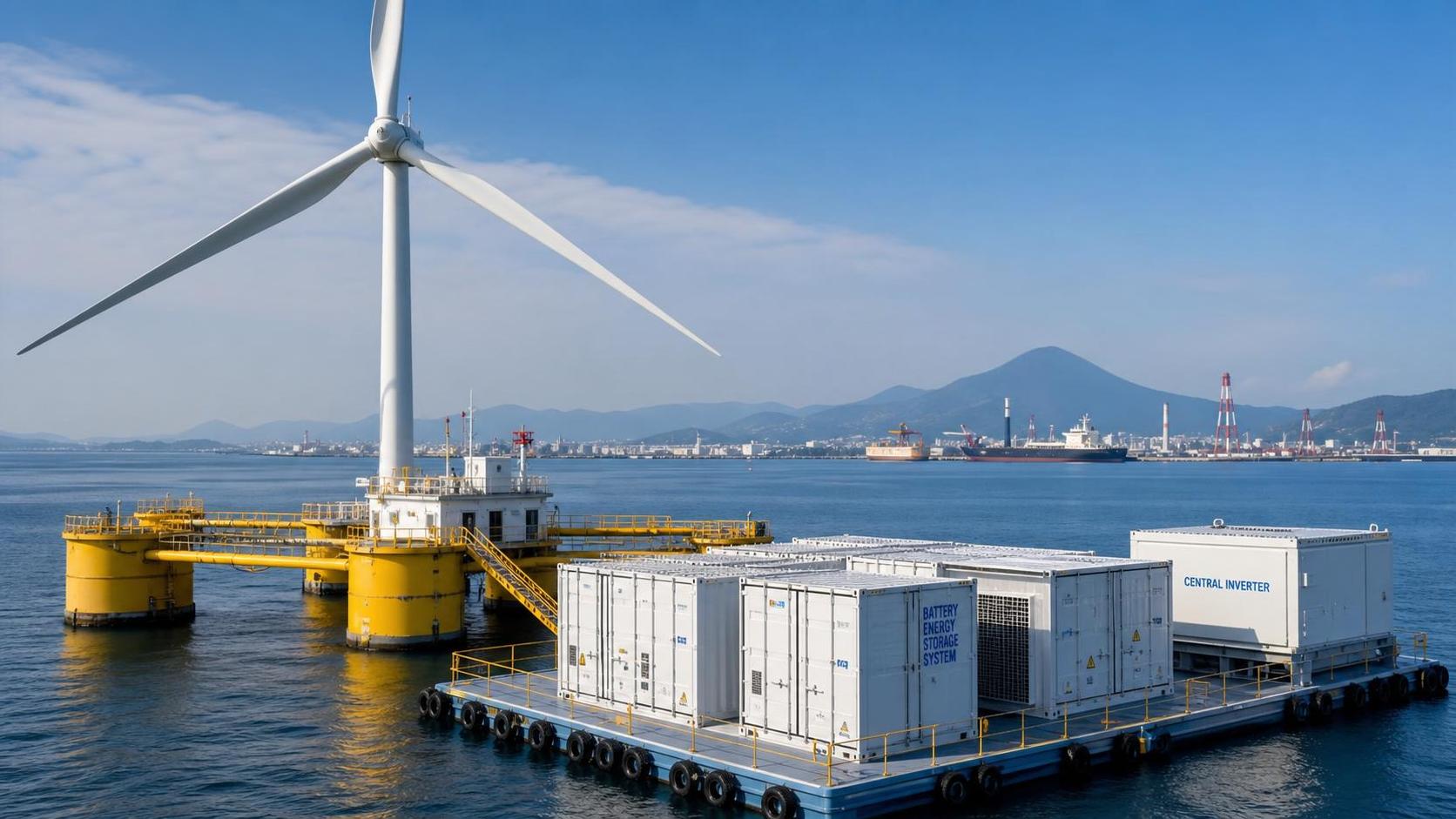
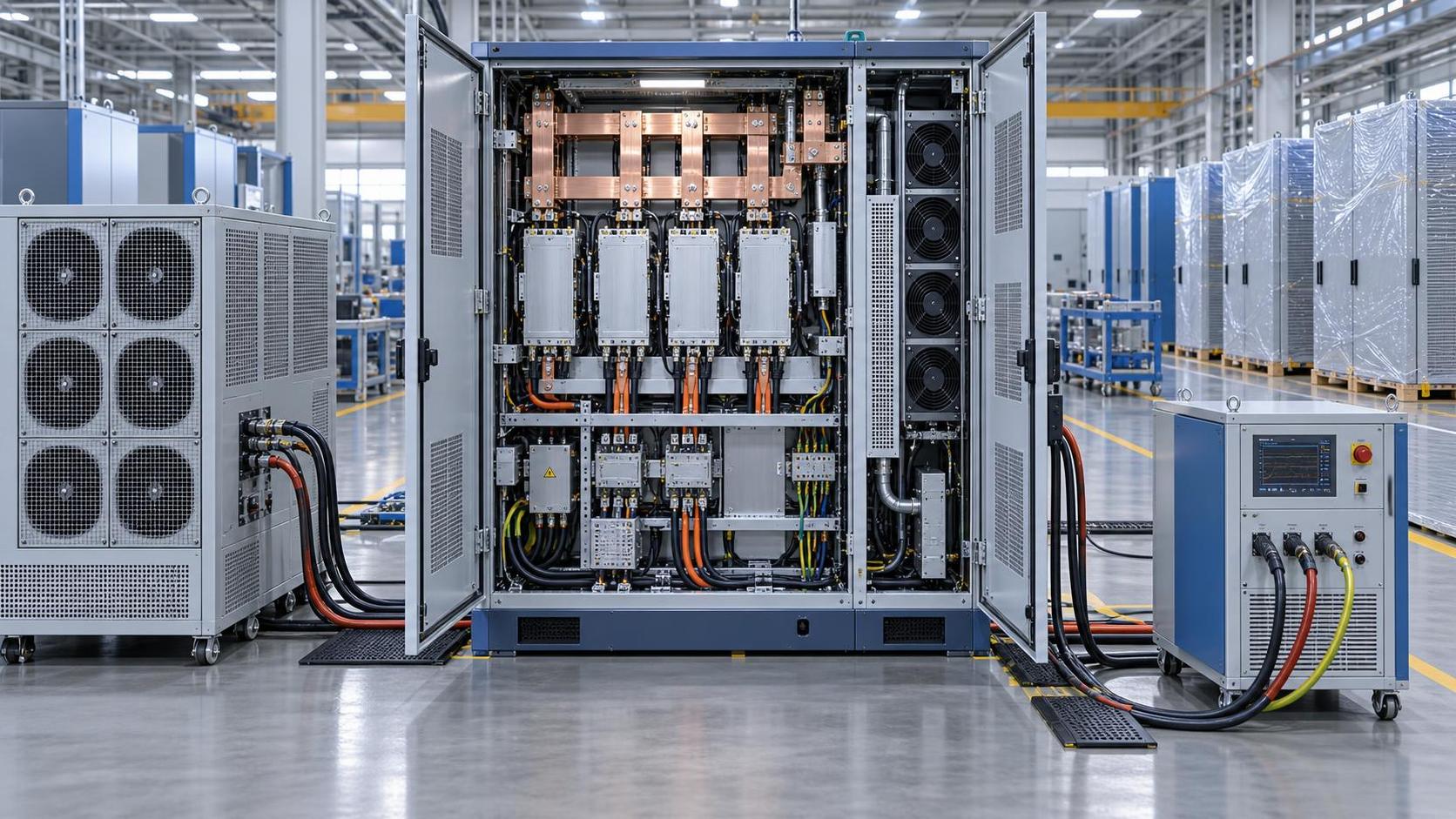
The timing of the underlying policy move is not explicitly stated in the available information, but the market signal is clear: SoftBank Group said on June 11 that it is launching GWh-scale battery energy storage for AI data centers and will apply the same technology to Japan’s first commercial floating offshore wind project in Nagasaki Prefecture. For suppliers, traders, and project-facing service providers, the more important point is not only the project itself, but the procurement and compliance direction implied by the stated inverter requirements, especially 100% Grid-Forming capability and operation across -20°C to 60°C, alongside the prequalification outreach already sent to leading Chinese Central Inverters manufacturers.
What has been confirmed so far
According to the information provided, SoftBank Group announced on June 11 the launch of a GWh-scale battery energy storage business for AI data centers.
The same storage technology is also intended for use in Japan’s first commercial floating offshore wind project in Nagasaki Prefecture.
The project requires supporting inverters to provide 100% Grid-Forming capability and to operate across a temperature range of -20°C to 60°C.
Leading Chinese manufacturers of Central Inverters have already received technical prequalification invitations.
The expected order window is projected to open in mid-July.
Why the procurement threshold matters across the supply chain
For inverter manufacturers, technical compliance moves to the front
From an industry perspective, the stated technical requirements function as an immediate entry filter rather than a secondary engineering detail. Suppliers seeking participation may be affected first at the prequalification stage, where technical documentation, performance validation, and specification alignment are likely to carry more weight than generic product availability. What deserves closer attention is whether vendors can clearly demonstrate Grid-Forming performance and wide-temperature operating suitability in a format acceptable to the buyer’s review process.
For exporters and trading companies, bid readiness becomes time-sensitive
For export-oriented firms and trading intermediaries, the likely impact is concentrated in quotation preparation, technical file coordination, and delivery planning. Analysis shows that once a prequalification round has started and an order window is expected in mid-July, the practical pressure shifts to how quickly suppliers can organize compliant product dossiers, clarify configuration details, and align commercial terms with technical expectations. Even without broader rule text, procurement timing itself becomes a market discipline factor.
For certification and testing support providers, documentation quality may shape access
Certification-related firms, laboratories, and compliance support providers may also be affected because project access in this kind of procurement path often depends on whether performance claims can be substantiated in a reviewable manner. Observably, the combination of Grid-Forming capability and wide-temperature operation raises the importance of test records, technical statements, and traceable product evidence. The current information does not define a final certification pathway, so this should be understood as a compliance-preparation issue rather than a confirmed regulatory outcome.
For after-sales and delivery teams, service assumptions may tighten
Suppliers involved in commissioning, maintenance, and quality traceability should also watch the signal embedded in the operating range requirement. Analysis shows that when environmental and functional thresholds are stated early, after-sales obligations, fault-response planning, spare-parts preparation, and operating-condition verification may become more closely tied to procurement acceptance and later project execution.
What companies should watch before the order window opens
Prepare technical files around stated performance thresholds
Companies engaging this opportunity should focus first on whether their technical materials clearly address 100% Grid-Forming capability and operation from -20°C to 60°C. If supporting documents, test descriptions, or technical bid materials are incomplete, prequalification progress may slow even before commercial discussions begin.
Track how procurement language is formalized
What deserves closer attention is whether later tender documents, technical appendices, or buyer clarifications keep the current wording unchanged or translate it into more detailed acceptance criteria. The available information confirms the requirements and the prequalification invitations, but it does not yet provide the final execution language. Companies should therefore treat the current stage as a live procurement signal that still requires document-level verification.
Review supply planning against a short commercial window
With an order window expected in mid-July, exporters, manufacturers, and supply-chain coordinators should pay attention to lead times, configurable product availability, and internal approval cycles. This is especially relevant where cross-border delivery, technical review rounds, or customer-specific adaptation may affect response speed.
Strengthen traceability for delivery and service commitments
Observably, projects combining energy storage and floating offshore wind application can place extra attention on product consistency, field support, and issue traceability. Even though the provided information does not specify formal after-sales rules, suppliers may benefit from organizing quality records, service commitments, and version-controlled technical documentation in advance.
How this signal should be read at this stage
Analysis shows that this development is best read as an execution-level market signal rather than as a fully disclosed regulatory framework. The reference to new support for floating offshore wind, combined with immediate technical screening and outreach to Chinese Central Inverters suppliers, indicates that procurement behavior is beginning to reflect a more specific set of functional and operating requirements.
At the same time, it is more appropriate to understand this as a rule-in-application signal, not yet a complete and closed compliance regime. The current information does not provide full policy text, final tender terms, detailed certification treatment, or a definitive enforcement pathway. That is why continued attention to later wording, qualification criteria, and buyer-side interpretation remains necessary.
What the market can reasonably conclude now
The immediate significance of this event lies in the way technical requirements are being tied to project access in a high-visibility use case spanning AI data center storage and commercial floating offshore wind. For the industry, the practical message is that participation may depend less on broad market presence and more on whether suppliers can translate performance claims into procurement-ready compliance evidence.
In neutral terms, this should currently be understood as an actionable procurement and compliance signal with cross-border supply implications, while final market impact still depends on how subsequent documents, qualification reviews, and execution feedback develop.
Basis of this article and points that still require verification
This article is generated from the user-provided news title, event timing, and event summary. No specific official source link was provided in the input, so any formal policy wording, regulatory basis, or project documentation still requires further verification.
For this type of development, source categories that are usually relevant include official company announcements, regulator or trade authority releases, industry association updates, standards organization documents, tender materials, and reporting from authoritative industry media. Further observation is still needed on detailed policy language, certification interpretation, tender document changes, market feedback, and actual supplier execution.
Recommended News
Industry Briefing
Get the top 5 industry headlines delivered to your inbox every morning.