
USITC Opens CVD Probe on Central Inverters
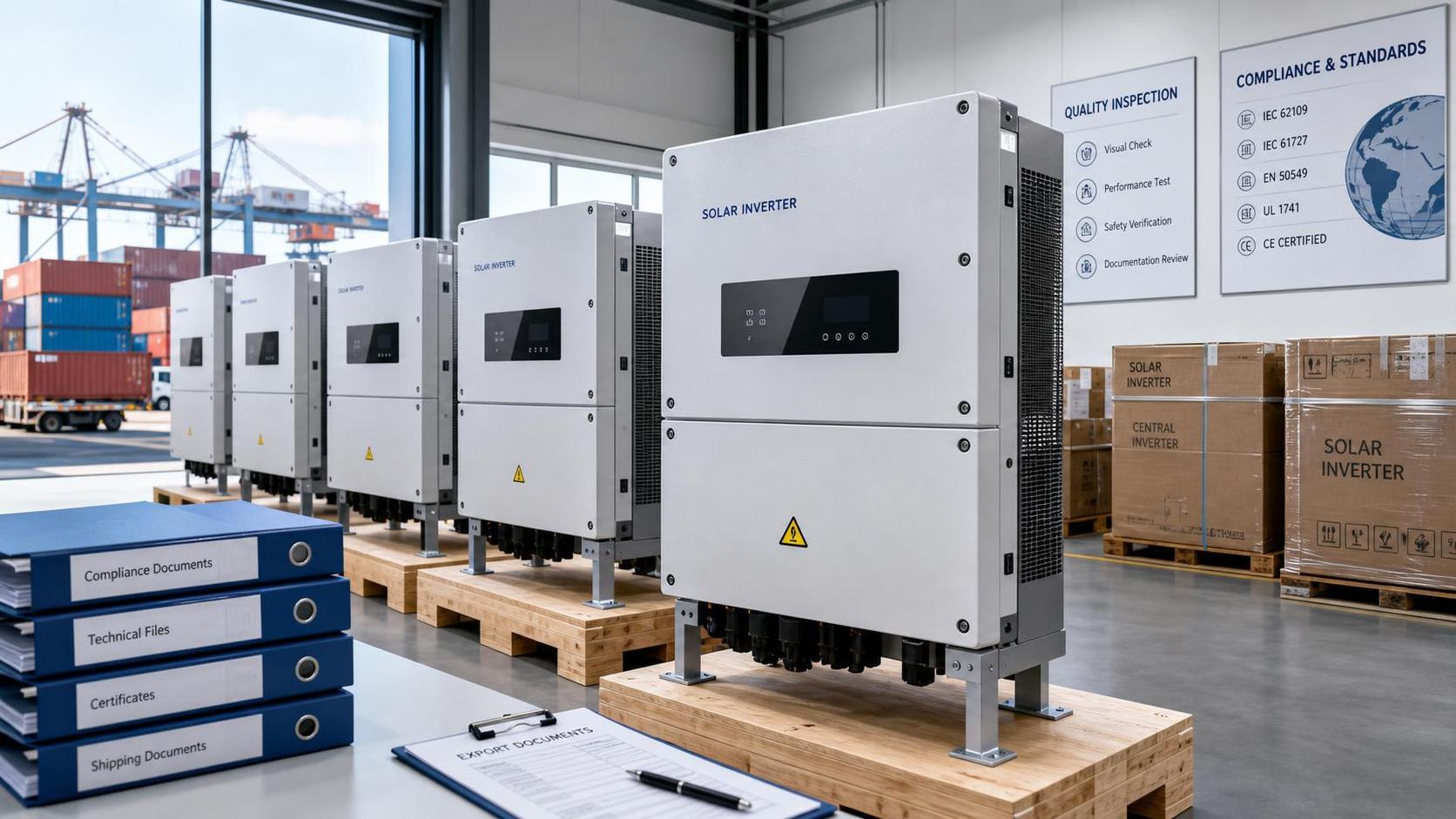
On July 13, 2026, the U.S. International Trade Commission formally opened Investigation No. 701-TA-698 into countervailing allegations involving Central Inverters from China. The case deserves close attention from Chinese exporters, U.S.-facing solar equipment supply chains, procurement teams, and trade compliance functions because the filing sets a near-term procedural deadline: all involved Chinese exporters are required to submit an initial written position to the USITC within 72 hours, while the preliminary determination deadline has been set for August 10, 2026.
What has been officially announced
According to the information provided, the USITC released the institution notice at 20:12 EDT on July 13, 2026, following an application by the SolarPower Alliance. The investigation targets Central Inverters originating in China and is identified as Investigation No. 701-TA-698.
The subsidy issues named in the case focus on two areas: interest subsidies tied to local photovoltaic industry special loans, and preferential premium rates for export credit insurance. The preliminary determination deadline is listed as August 10, 2026. The same notice also indicates that all Chinese exporters involved in the case must submit written statements of position to the USITC within 72 hours.
Where the pressure may appear first
Export-facing manufacturers and direct sellers
From an industry perspective, the most immediate impact falls on exporters that sell Central Inverters into the U.S. market or are directly tied to that flow. The reason is procedural rather than final at this stage: the 72-hour response requirement creates an urgent compliance and document-preparation task. What deserves closer attention is whether companies can quickly organize their position, identify exposure to the subsidy items named in the case, and align internal records with external submissions.
Supply chain and documentation teams
Observably, supply chain service providers and internal operations teams may also feel pressure early, even before any substantive outcome is known. Their exposure lies in documentation, shipment planning, and communication support. The practical issue is not yet a confirmed change in market access, but the need to track whether the investigation affects order timing, documentation requirements, or customer requests for clarification.
Procurement and downstream project participants
Buyers, project procurement functions, and downstream users connected to Central Inverters may need to watch the case as a developing commercial risk item. Analysis shows the core concern is timing and certainty rather than a confirmed supply interruption. These market participants will likely focus on whether counterparties can maintain documentation readiness, whether contract execution schedules need closer review, and whether communication with suppliers remains consistent as the case advances toward the preliminary deadline.
What companies should monitor now
The 72-hour submission window
The first practical priority is the response clock itself. Companies involved in the case need to confirm whether they fall within the scope of the filing and whether their written position to the USITC is complete, internally aligned, and submitted within the required timeframe. In a case with such a short initial window, delay becomes a business risk in its own right.
The subsidy items named in the notice
What deserves closer attention is the narrowness of the currently identified subsidy focus. The information provided points specifically to local photovoltaic industry loan interest support and preferential export credit insurance premium rates. Companies should therefore distinguish between general market discussion and the exact issues named in the proceeding, because the immediate compliance task is tied to the stated allegations rather than to broader assumptions about policy support.
The gap between procedure and outcome
Analysis shows it is important not to treat the investigation notice as a final trade result. At this stage, the filing establishes a process, a scope, and deadlines. For exporters and their counterparties, that means customer communication, shipment planning, and contract discussions should be handled with precision: firms need to explain what is confirmed, what remains pending, and what dates may shape the next round of decisions.
Preparation for the August 10 milestone
The preliminary determination deadline gives the market a clear near-term checkpoint. Companies tied to the product category should monitor official wording around that date and prepare internal contingency discussions in advance. The operational focus is likely to center on documentation readiness, communication discipline, and scenario review rather than on premature assumptions about the final direction of the case.
Why this is a signal worth watching
Analysis shows this development is best understood as an active trade procedure with immediate compliance consequences, not as a completed market outcome. The most notable feature is the compressed initial response period for Chinese exporters, which raises the operational importance of trade counsel coordination, document traceability, and customer-facing communication.
It is more appropriate to understand this as both a short-term procedural event and a longer-term signal that subsidy-related scrutiny on specific solar equipment categories can quickly translate into commercial pressure points. At the same time, the information currently available does not support a definitive conclusion about final liability or market restructuring, so continued observation remains necessary.
How to read the current stage
At this point, the industry significance lies less in any confirmed end result and more in the combination of product focus, named subsidy areas, and tight procedural deadlines. For exporters, supply chain operators, and procurement teams, the practical question is whether they can respond in step with the investigation timeline while maintaining orderly business communication. The case is therefore better read as a live compliance and risk-monitoring development that may shape near-term decisions, but still requires further official process before broader conclusions can be drawn.
Basis for this article and what still needs verification
This article is based on the user-provided news title, event date, and event summary concerning the USITC institution notice, Investigation No. 701-TA-698, the applicant identified as SolarPower Alliance, the subsidy items cited, the August 10, 2026 preliminary determination deadline, and the 72-hour written response requirement for Chinese exporters.
For this type of development, source categories that are commonly relevant include official notices, company disclosures, industry association information, authoritative media coverage, and related procedural documents. The specific official source link was not provided in the input, so the exact text and any later updates still need to be continuously verified. The main follow-up points to watch are any official clarification on scope, subsequent procedural notices, and developments tied to the preliminary determination timeline.
Recommended News
Industry Briefing
Get the top 5 industry headlines delivered to your inbox every morning.